
©️ By Sophie Lewis – The Grooming Files | The Indie Leaks | @realtalkrealtea

“She told me she was 16.”
“She looked older.”
“She knew what she was doing.”
These are the most common excuses heard when adults are caught engaging with underage girls. But let’s get something clear: these are not defences. They are symptoms of a wider culture — one that normalises grooming, blames children, and protects predators.
At The Grooming Files, we work with survivors. Many were underage when they first got involved with older men. Some lied about their age. Some acted older. Some even believed they were in control.
Until they weren’t.
Until the damage was done.
Let’s break it down.
What the Law Says (UK)
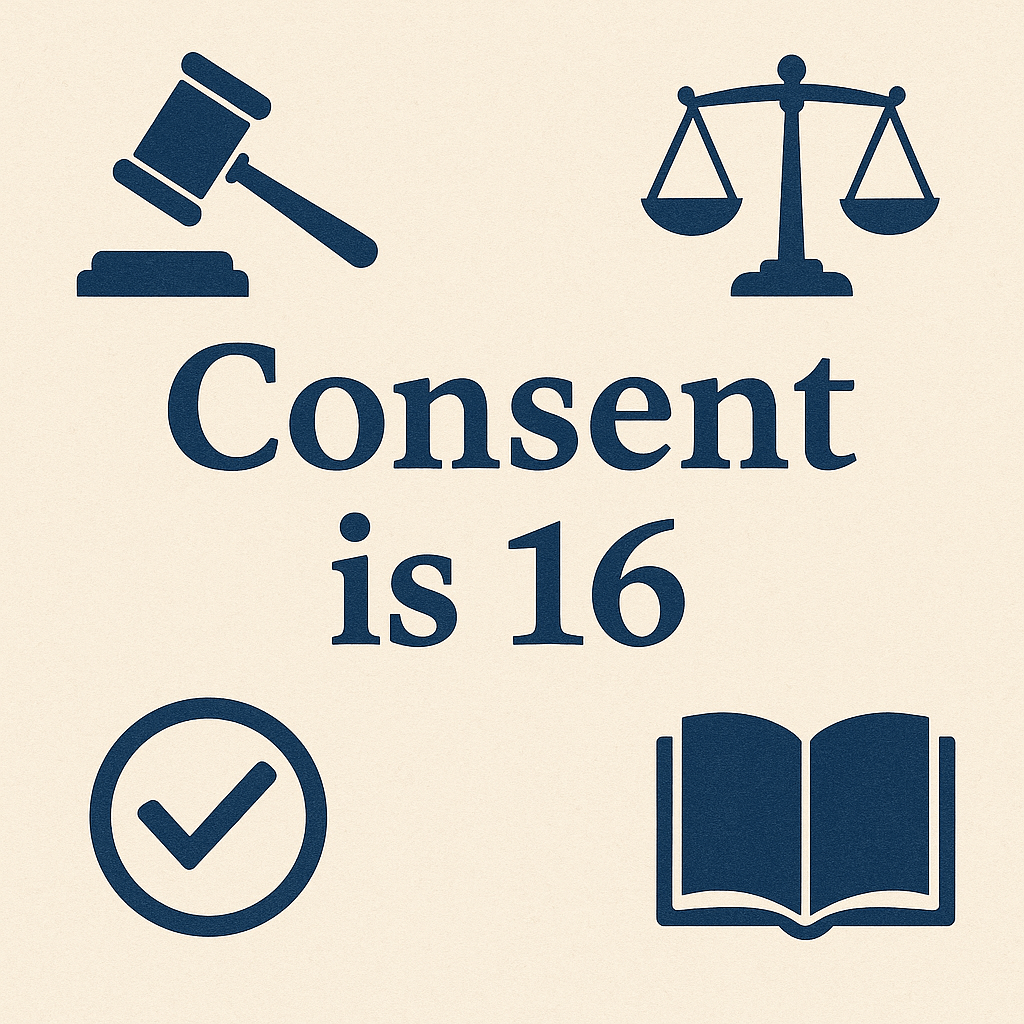
In the UK, the age of consent is 16.
That means:
- Any sexual activity with a child under 16 is illegal.
- A child cannot legally consent, even if they say they can.
- Misunderstanding or deception does not excuse an adult from responsibility.
Even if a girl says she’s 16 or older, the adult has a legal duty to ensure that’s true. If they don’t, they are still guilty of committing a sexual offence.
Ignorance isn’t a defence. “She lied” doesn’t undo the harm. The law protects children for a reason — because their brains, boundaries, and experiences are still developing.
Why Do Some Young People Lie About Their Age?
This is where nuance matters — and it’s something survivors understand deeply. When a young person lies about their age, it’s not because they’re manipulative. It’s because they’ve already been shaped by a system that failed them.
Here’s why a minor might pretend to be older:
- They’ve been exposed to sexualisation early
- They’ve learned that attention = love or safety
- They see older men as powerful and validating
- They are repeating patterns from earlier trauma
But none of that makes it okay.
A traumatised child acting older is not consenting — they are surviving.
The Power Imbalance Is the Problem
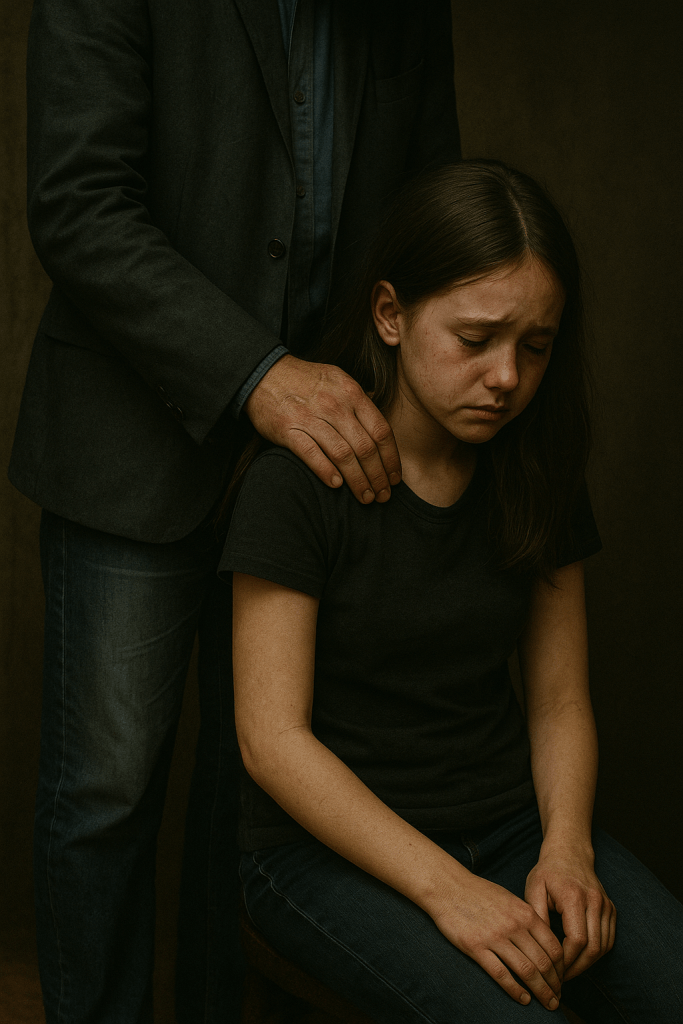
No matter how “mature” a young person seems, there is always a power imbalance when an adult gets involved. Adults have the emotional, psychological, and social power in the situation — and with that power comes responsibility.
The older person should know better. And deep down, they usually do.
Many groomers rely on the very fact that a child won’t be believed — especially if she initiated it or seemed willing.
But that doesn’t make it less predatory. It makes it more calculated.
The System Blames Children. We Don’t.
Too often, survivors of grooming grow up thinking they were to blame.
“I kissed him first.”
“I wanted to feel grown-up.”
“I told him I was older.”
But those aren’t confessions.
They are symptoms of conditioning, confusion, and coping.
They are the voices of children who were let down by adults — and then punished for surviving.
What Needs to Change
We need to stop accepting “she lied” as a valid excuse.
We need to start teaching:
- That consent isn’t just about saying yes — it’s about having the maturity to mean it
- That adults are responsible for walking away, no matter what they’re told
- That childhood behaviour shaped by trauma isn’t evidence of guilt — it’s a red flag for deeper harm
To Survivors Who’ve Been in This Situation

If you ever pretended to be older, if you ever felt like you chose what happened — you weren’t to blame.
You were a child.
You were surviving.
You were vulnerable in ways you didn’t yet understand.
And the adults around you should’ve known better.
At The Grooming Files, we believe in truth — even when it’s messy.
We believe in protecting children — even when they push boundaries.
And we believe in you — even when the world tried to silence you.


 The Grooming Files
Leave a comment