
©️ By Sophie Lewis | The Grooming Files
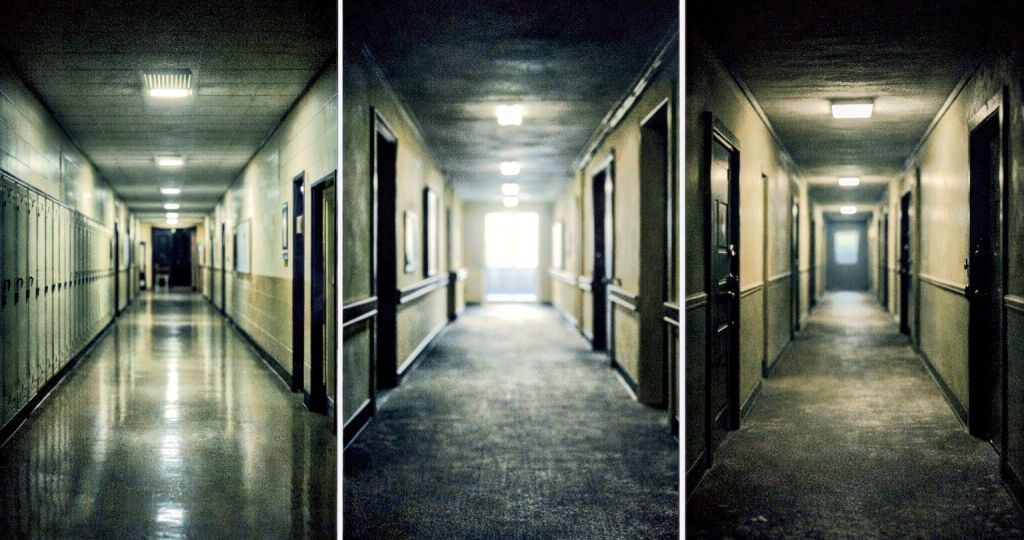
We keep telling ourselves these are different scandals.
Grooming gangs in northern towns.
Teachers abusing pupils in schools.
Children harmed in care homes.
Online exploitation spiralling unchecked.
Different settings.
Different headlines.
Different inquiries.
But scratch beneath the surface and the same failure appears again and again.
Not the same offenders.
The same systemic response.
Different Abuse. Identical Safeguarding Breakdown
In grooming gang cases, victims were known to services but dismissed.
In school abuse cases, warning signs were present but minimised.
In care homes, vulnerable children were flagged and left there anyway.
The details change.
The mechanism doesn’t.
Across all of them, we see:
- early indicators ignored
- disclosures reframed or downgraded
- escalation delayed
- responsibility passed sideways
- reputation quietly protected
This isn’t coincidence.
It’s pattern.
St Anne’s and Rotherham: The Same Pattern, Different Setting
St Anne’s Catholic School, Southampton:
Four teachers. Sexual abuse spanning 2004-2022. Victims were pupils in positions of trust. The abuse occurred on school premises. Multiple cases. One was the headteacher.
Rotherham:
Multiple perpetrators. Sexual exploitation spanning 1997-2013. At least 1,400 victims. Girls as young as 11. Victims known to social services, police, care systems. Repeatedly going missing. Repeatedly reporting abuse.
The common thread:
In both cases, victims were known to multiple agencies.
In both cases, there were repeated opportunities to intervene.
In both cases, concerns were recorded but action was delayed.
St Anne’s: Professional boundaries violated in plain sight over 18 years.
Rotherham: Girls described abuse and were called “undesirables” making “lifestyle choices”.
Different institutions. Different perpetrators. Identical safeguarding paralysis.
The Shared Anatomy of Failure
Whether the abuse happened in a classroom, a flat, a care placement, or a car park, the same sequence repeats:
- A child shows distress or discloses harm
- Professionals interpret rather than act
- Risk is reframed as behaviour
- Thresholds rise
- Intervention stalls
By the time action is taken, the harm is undeniable and already severe.
Safeguarding systems don’t fail because they don’t know what abuse looks like.
They fail because they hesitate to confront it when doing so is uncomfortable.
When Institutions Decide ‘This Is Manageable’
One of the most dangerous moments in safeguarding is when harm becomes manageable.
Not resolved.
Not stopped.
Managed.
“Let’s monitor.”
“Let’s review.”
“Let’s keep this under observation.”
“Let’s wait for more evidence.”
These phrases appear everywhere, across sectors, across decades.
They sound reasonable.
They sound cautious.
But for the child living inside the harm, they mean one thing:
Nothing is going to change yet.
Why We Keep Treating Identical Failures as Separate Scandals
Each time a major abuse case breaks, we act as if it’s unprecedented.
A shocking revelation.
A unique collapse.
A one-off failure.
So we investigate the setting instead of the system.
Schools get new safeguarding policies.
Care homes get new inspections.
Police get new guidance.
But the underlying culture fear, avoidance, reputational anxiety remains intact.
And so the failure simply relocates.
The Comfort of Compartmentalisation
Calling these separate problems is comforting.
It allows us to believe:
- grooming gangs were a policing failure
- abusive teachers were a recruitment failure
- care homes were a funding failure
But that compartmentalisation hides the truth:
They are all safeguarding failures rooted in the same institutional instincts.
The instinct to delay.
The instinct to minimise.
The instinct to avoid decisive action until there is no alternative.
Why This Pattern Keeps Repeating
Safeguarding systems are built to manage risk, not to confront it early.
Early confrontation creates:
- conflict
- scrutiny
- paperwork
- institutional exposure
Late confrontation creates:
- reviews
- apologies
- “lessons learned”
- reputational damage control
The system is far more practised at the second than the first.
So harm is allowed to continue until it becomes impossible to deny.
What This Means for ‘Reform’
Every time the government announces a new safeguarding body or oversight mechanism, the same promise is made:
“This will stop it happening again.”
But unless reform addresses the culture of delay and denial, nothing fundamentally changes.
More oversight doesn’t equal earlier action.
More reporting doesn’t equal protection.
And more reviews don’t equal prevention.
The Question We Keep Avoiding
The real question isn’t why abuse keeps happening in different places.
It’s this:
Why do institutions keep responding to early harm as a reputational risk instead of a child protection emergency?
Until that question is answered honestly, grooming gangs, abusive teachers, and care home scandals will continue to surface like separate crises.
They’re not.
They’re symptoms of the same disease.
Sophie Lewis | NUJ-Accredited Investigative Journalist
The Grooming Files
Next in this series: “Britain Keeps Creating New Safeguarding Bodies — And Missing the Same Threat”
Sources:
- Independent Inquiry into Child Sexual Exploitation in Rotherham 1997-2013 (Jay Report, 2014)
- Hampshire Police Operation Stonecrop case files
- Crown Prosecution Service official statements
- Serious Case Review documentation

 The Grooming Files
Leave a comment