
©️ By Sophie Lewis | @sophielewiseditorial
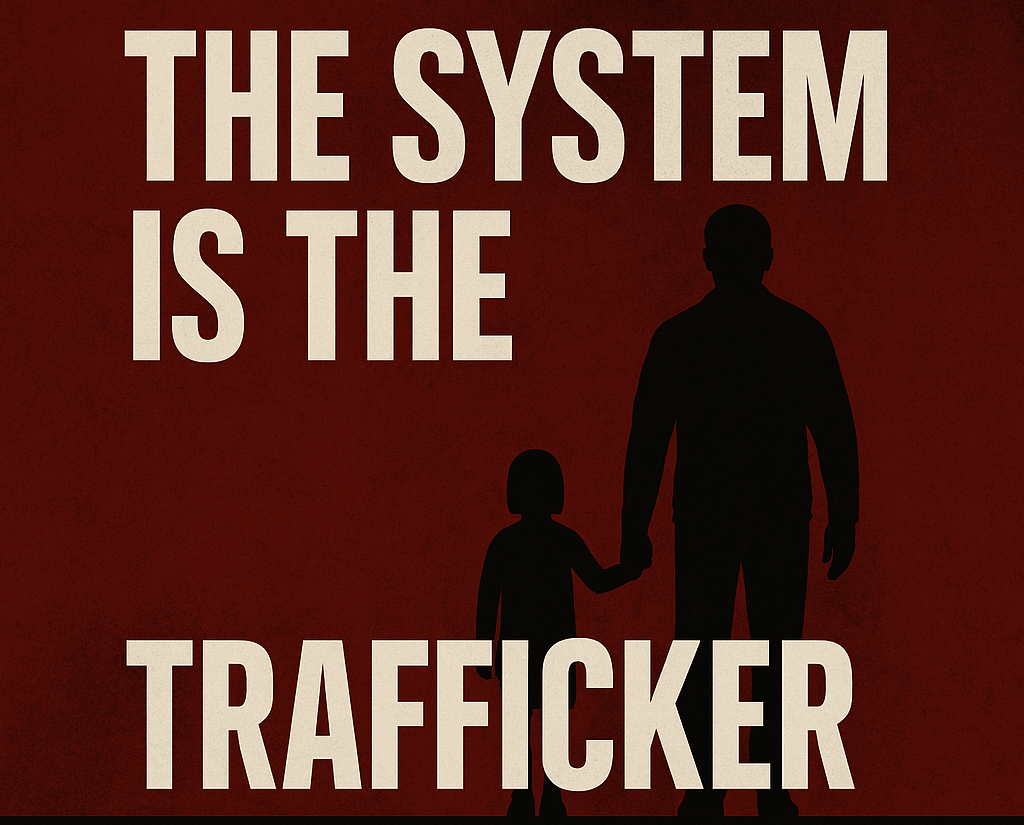
He’s not sneaking through back doors.
He’s walking straight in with a lanyard and a DBS certificate.
He’s a foster carer.
A social worker.
A teacher.
A youth pastor.
A residential home worker.
A volunteer in “safeguarding.”
A police officer leading anti-abuse workshops.
This is the Predator-By-Design.
He doesn’t find loopholes.
He creates them.
He doesn’t wait for access.
He builds his life around it.
And worst of all?
The system lets him.
He Knows the Rules — So He Can Break Them Quietly
Predators-By-Design don’t make “mistakes.”
They craft lives that look like protection — so nobody sees the abuse until it’s too late.
They:
- Choose professions that give them unsupervised access to vulnerable people
- Learn safeguarding language to manipulate thresholds
- Use “trauma-informed” terms to disarm suspicion
- Build reputations that make them unchallengeable
- Align themselves with victims’ families, sometimes even dating or marrying in
And while victims are dismissed, he’s praised.
“He’s so good with the kids.”
“He’s done all his training.”
“He goes above and beyond.”
“There’s no way he’d do that.”
But he did.
And he planned it.
This Predator Isn’t Just in the Room — He Runs It
Many predators in this typology hold authority.
They don’t just blend in — they lead.
They train others. They write policy. They advise parents. They run organisations.
And they know how to:
- Isolate without triggering concern
- Frame victims as troubled or unstable
- Exploit grey areas in reporting protocols
- Use charm and credibility as armour
- Silence whistleblowers using policy or fear
When accusations do arise, they often:
- Threaten legal action
- Cry defamation
- Leverage their reputation
- Pivot the blame to the victim
- Or resign before investigation
And most chillingly: they reappear elsewhere.
When Grooming Isn’t a Phase — It’s a Career Path
Unlike casual or opportunist predators, the Predator-By-Design commits to the long game.
He:
- Selects courses that lead to authority
- Volunteers in places where vetting is weak
- Learns to mimic concern, empathy, and professional warmth
- Makes himself indispensable
- Avoids offending in obvious or traceable ways
He grooms everyone — not just the victim.
The parent. The manager. The system.
Until questioning him feels unthinkable.
The Victim Is Left Powerless — and the System Complicit
When this predator is finally exposed (if ever), institutions often scramble to protect their image — not the survivors.
“There was no previous complaint.”
“We followed procedure.”
“We had no idea.”
But they did.
Someone always knew something.
An uneasy feeling.
An incident that got swept aside.
A victim who wasn’t believed.
Predators-By-Design thrive not because they’re smart — but because systems are slow, loyal, and image-obsessed.
And so the harm repeats.
The Most Dangerous Predator Is the One Hiding Behind a Badge
We don’t like to believe that those who work with children, trauma survivors, or vulnerable adults could be predators.
But they can.
They are.
And the longer we ignore this category, the more they embed.
This predator doesn’t “slip through the cracks.”
He writes the policy on how cracks are handled.
.

 The Grooming Files
Leave a comment