
By Sophie Lewis | The Grooming Files | @sophielewiseditorial
PART 3: When Education Becomes Indoctrination
“We just want them to be educated.”
But who’s deciding what that education looks like?
And who profits from it?

In theory, schools should be the firewall between children and exploitation.
A place where healthy relationships, respect, consent, and safety are taught.
But in 2025, that firewall is riddled with holes — and in some cases, is actively helping the flames spread.
Across the UK and beyond, ‘progressive’ education agendas and unregulated PSHE (Personal, Social, Health & Economic education) content are exposing children to ideas and imagery that many parents would never consent to — if they knew.
Let’s be clear:
Sex education matters.
Consent education matters.
Inclusion matters.
But pushing graphic, adult-themed materials on children under the banner of “modern learning” is not education. It’s grooming society to normalise the very same sexualisation we’ve exposed in Parts 1 and 2.
What’s Really Happening in Classrooms?

Over the past five years, countless UK parents have raised the alarm about PSHE and RSE (Relationships & Sex Education) content in schools.
The common patterns:
- Explicit sexual acts described or depicted — sometimes to children as young as 7 or 8.
- Materials normalising kinks, BDSM, and fetishes under the guise of “inclusive” education — pushed on teens without context.
- Porn-positive messaging — encouraging “exploration” of online porn as “normal” or “healthy curiosity.”
- Books and visual aids containing highly graphic sexual content being used in class without parental transparency.
- Resources provided by third-party NGOs with little or no accountability — often linked to activist funding, not education standards.
Who’s Behind These Materials?
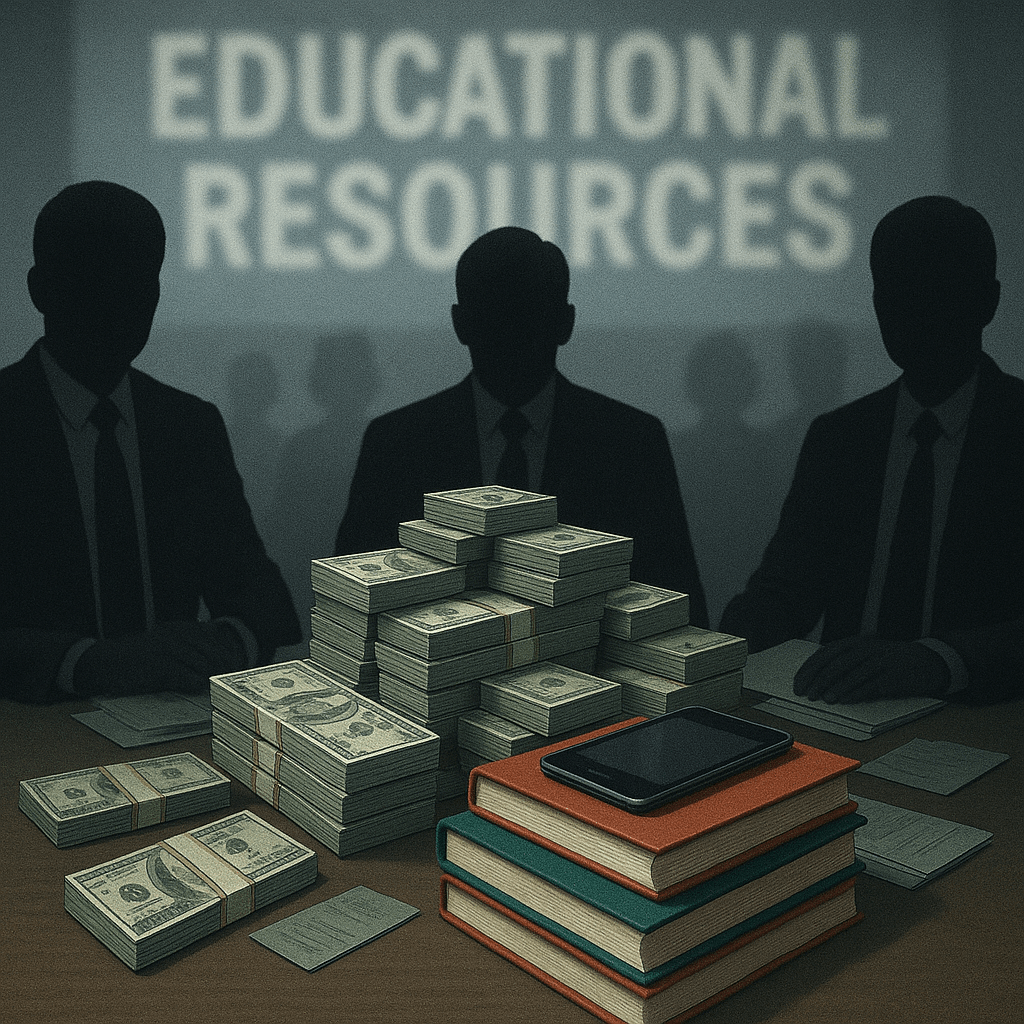
In many cases, schools aren’t writing this content — they’re buying it.
Private organisations and charities now provide “off-the-shelf” RSE packs. Some are excellent. Many are not. And parents rarely see what’s inside before it’s delivered to their kids.
Some organisations pushing the most radical content have:
- Direct links to the sex industry.
- Funding from pornography lobby groups.
- Close ties to political movements that view childhood innocence as a “social construct” to be dismantled.
This is not a conspiracy theory — it is documented fact.
But every time parents object, they’re gaslit: “You’re bigoted. You’re anti-progress. You’re not sex-positive.”
How Porn Culture Filters Into Class
This isn’t accidental.
When children are sexualised by culture and online content (Parts 1 and 2), education is the final layer that can either: ✅ Challenge it.
❌ Normalise it.
Right now, many schools are normalising it:
- Presenting pornographic content as inevitable — rather than challenging its harm.
- Telling children that all sexual desires are valid — without giving them the tools to understand abuse, coercion, or consent properly.
- Teaching complex adult concepts about gender, sexuality, and identity without ensuring that children understand their own bodies, safety, and boundaries first.
The result: a generation that knows every label and every kink — but can’t spot grooming when it happens.
Where Are the Safeguards?
The Department for Education claims there is guidance in place.
But here’s the truth:
- There is no national curriculum for RSE — just guidelines.
- Materials are often delivered by unregulated third parties.
- Parents are routinely denied full access to preview content.
- Schools fear legal challenges or public backlash if they object to activist-driven content — so they comply.
In this vacuum, extreme content has crept in — and most parents are none the wiser.
Real-World Cases
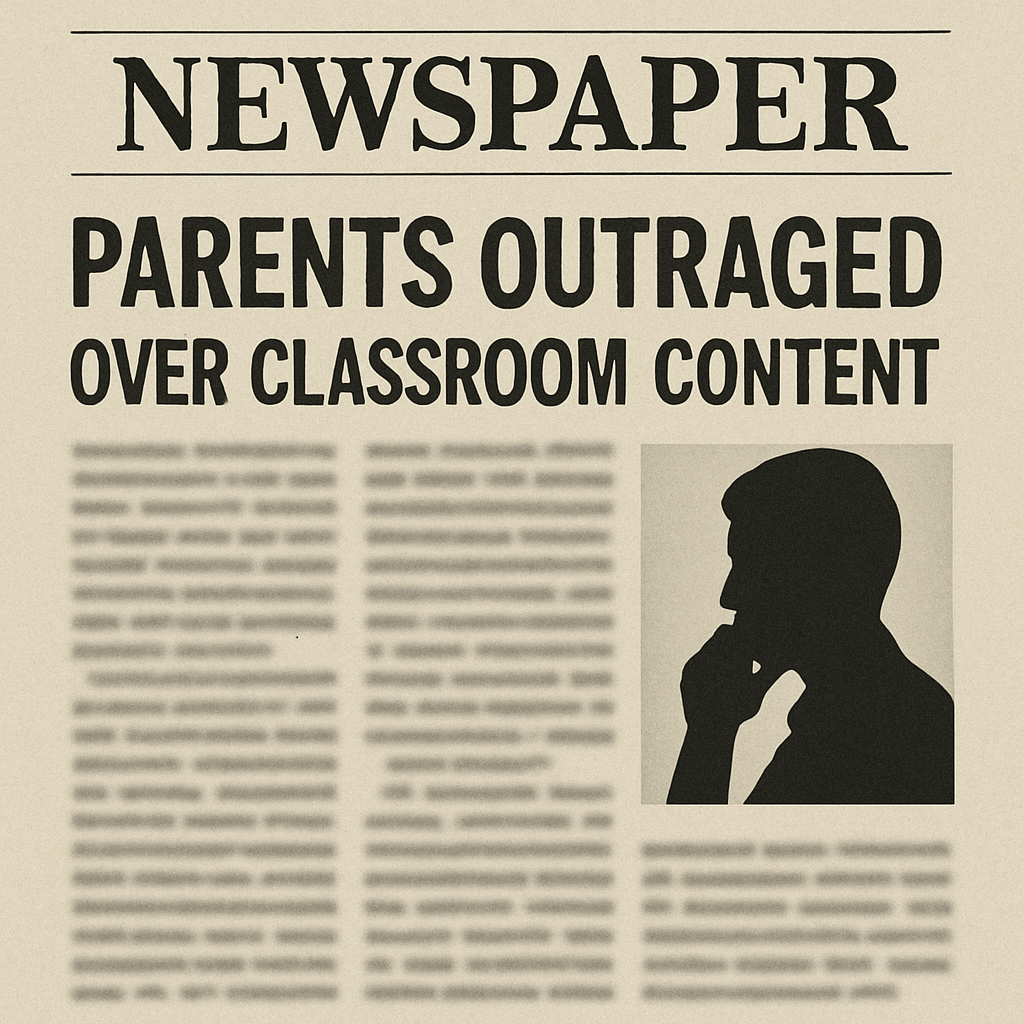
In 2023, a primary school in London faced backlash after showing Year 4 children materials that included descriptions of masturbation and sexual acts.
In 2024, a group of Welsh parents discovered their children had been taught about “safe choking” and “bondage” as part of a Year 9 relationships lesson.
In 2025, a national audit revealed that many RSE resources used in UK classrooms had not been vetted by educational psychologists or child safeguarding experts.
This is not education. This is indoctrination — and it is grooming children to view sexualisation as normal and desirable.
Why It Matters
Because if children are:
Exposed to sexualised media.
Drawn into pornified mindsets.
Then taught in class that all of this is just “being open-minded” or “progressive” —
You have the perfect storm.
You create a generation that is less likely to report grooming.
Less likely to recognise exploitation.
Less likely to have any sense of where healthy boundaries truly lie.
And the predators know it.
And the profiteers know it.
What Should We Be Teaching?
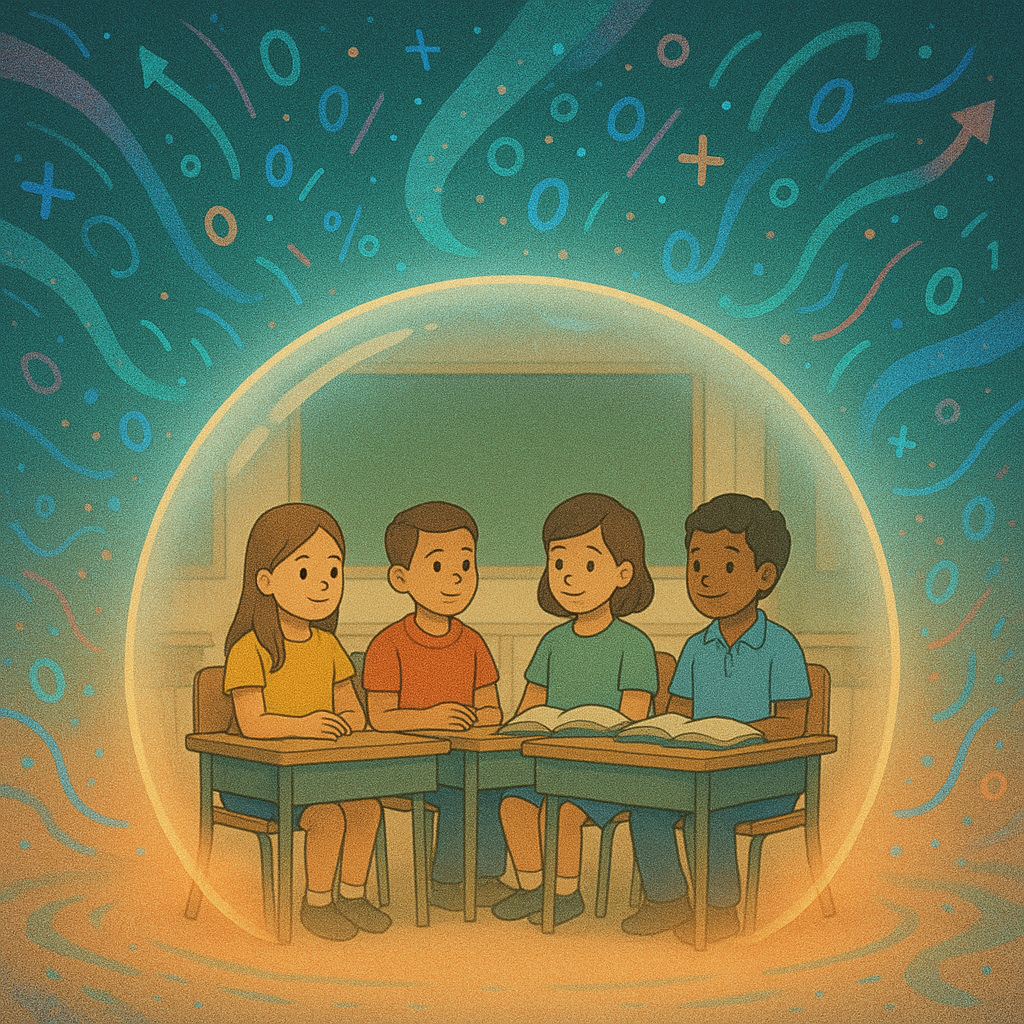
Here’s what children really need:
- Early, age-appropriate education about bodily autonomy, privacy, and boundaries.
- Clear understanding of what healthy relationships look like — based on respect and consent.
- Honest conversations about the dangers of porn and online exploitation.
- Critical thinking — so they can see through grooming tactics.
- Tools to say NO and to recognise abuse.
Not graphic sex tips. Not kink content. Not porn promotion. Not ideology.
If a stranger on the street told your 8-year-old about sex acts, you’d call the police.
If it happens in a classroom, we’re told to celebrate it.
We are gaslighting an entire generation. And they will pay the price — unless we stop it.
What’s next?
In Part 4, we’ll follow the money: Who profits from this normalisation?
And why is big tech, big porn, and certain activist networks so desperate to dismantle childhood innocence?

 The Grooming Files
Leave a comment