
By Sophie Lewis | The Grooming Files | @sophielewiseditorial
PART 2: Pornified Minds — What Kids Are Really Being Exposed To
“We didn’t teach them this.”
No — but porn did.
They say childhood is sacred.
But what happens when a child’s first understanding of sex, love, consent, and bodies comes not from a parent or school — but from a porn site?
It’s not rare. It’s not accidental. And it’s not harmless.
The New ‘Sex Ed’ Begins at 8
Research shows children are being exposed to porn as young as eight. Not just pop-ups — we’re talking full videos, entire categories, and repeat consumption. The days of “accidental clicks” are long gone. Many kids are now actively searching for it, or being shown it by peers.
The internet didn’t just make porn accessible — it made it inescapable. Social media, ads, games, dodgy links, even so-called “sex ed influencers” are walking kids straight into a pornified view of the world.
And this early exposure? It isn’t neutral. It shapes them.
Porn Is Raising A Generation — And It’s Not Teaching Love
Porn doesn’t teach connection. It teaches performance. It teaches domination. It teaches pain as pleasure and silence as consent.
Kids aren’t just watching it — they’re absorbing it. Mimicking it. Forming their first ideas about bodies, boundaries, pleasure, gender roles, and power through scripted abuse marketed as desire.
And what’s worse? It’s mainstream now.
Normalised Depravity: “Barely Legal” and the Rise of Incest Porn
The industry knows exactly what it’s doing.
“Barely legal” isn’t a random title — it’s targeted fantasy. Make her look 16. Give her braces. Put her in a school uniform. Say she’s “nervous” or “inexperienced.” What does that teach boys? What does that teach girls?
Even more disturbing: the surge of incest-themed porn — “stepbrother,” “daddy’s girl,” “family secrets.” It’s everywhere. And kids aren’t skipping it — they’re being algorithmically pushed towards it.
This isn’t just degrading — it’s dangerous. It builds tolerance to taboo, desensitisation to abuse, and normalises the breakdown of the most sacred human boundaries.
The Algorithm Pushes the Worst Content
Not only is porn widely accessible — but platforms are rewarding the most extreme content.
Kids might start with curiosity — but quickly, they’re being served:
- Aggressive porn
- Humiliation themes
- Degrading language
- Taboo categories
— all through algorithmic suggestion.
This isn’t freedom of choice — it’s corporate-driven grooming. Designed to addict. Designed to escalate. Designed to erode empathy.
And here’s the kicker: kids today often believe this is how sex is supposed to be.
The Psychological Impact on Young Minds
The fallout is immense — and growing.
Studies show early and repeated porn exposure is linked to:
- Addiction-like patterns in adolescent brains
- Desensitisation to real intimacy
- Anxiety, depression, and shame linked to unrealistic sexual expectations
- Higher tolerance for aggression in relationships
- Body image issues and self-objectification
- Confusion around consent and boundaries
Ask any school nurse, therapist, or safeguarding lead:
kids are mimicking porn, long before they understand themselves.
The Real-World Fallout
By the time they hit puberty, many kids have already:
- Formed unrealistic and harmful expectations of sex.
- Developed compulsive viewing habits and secrecy.
- Struggled with intimacy, boundaries, and shame.
- Witnessed violence masquerading as love.
It’s showing up everywhere:
In sexting.
In school-based sexual assault cases.
In increasing reports of children harming other children.
In a growing mental health crisis linked to shame, addiction, and trauma.
Where’s the Line?
The truth? There isn’t one anymore.
Porn sites don’t verify age properly.
Search engines don’t filter effectively.
And parents? Many don’t even know what’s happening until it’s far too late.
The porn industry is worth billions. It thrives on addiction, taboo, and blurred boundaries. And when children are the collateral, it shrugs — and profits.
So What Do We Do?
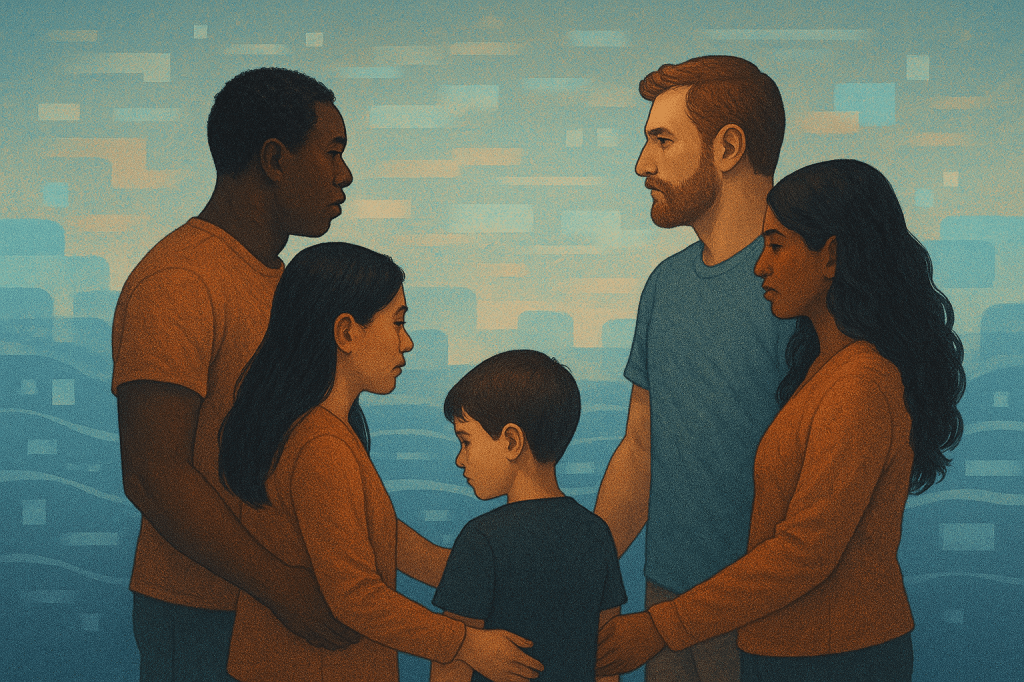
- We talk — openly, honestly, early.
- We teach real consent and compassion before the internet does.
- We challenge the industry’s influence — as parents, teachers, activists, and humans.
- We protect kids not just from predators — but from systems designed to groom their minds.
Part 3 will break down how this filters into schools, PSHE lessons, and “progressive” education policies — and how even classrooms are being caught in the crossfire between safeguarding and social engineering.
But for now, we leave you with this:
If porn is shaping our kids’ worldview…
what kind of world are we raising them into?

 The Grooming Files
Leave a comment