
© By Sophie Lewis | The Grooming Files | @sophielewiseditorial
Moving beyond awareness into action — a survivor-led guide to protecting children before harm happens.
Awareness Isn’t Enough Anymore
We’ve raised awareness. We’ve had campaigns. We’ve worn the ribbons.
But children are still being abused. Every day.
Because real prevention doesn’t come from being shocked, it comes from doing the work.
And that work begins long before a disclosure.
Long before a court case.
Long before a hashtag.
Real prevention is proactive. Messy. Ongoing.
And most of all, it’s uncomfortable. Because it asks adults to act before harm occurs.
Prevention Starts With Conversations
Children don’t just need to know what not to do.
They need to know:
- What their body boundaries are
- What’s appropriate and what’s not
- What to do if someone breaks those boundaries
- That they will be believed if they speak up
That means age-appropriate, honest conversations. Not fear-based warnings or vague euphemisms.
Start young. Use proper language.
Use books, visuals, scenarios. Repeat the messages often.
Prevention isn’t a one-off chat. It’s a culture you create.
Education Must Go Beyond Stranger Danger
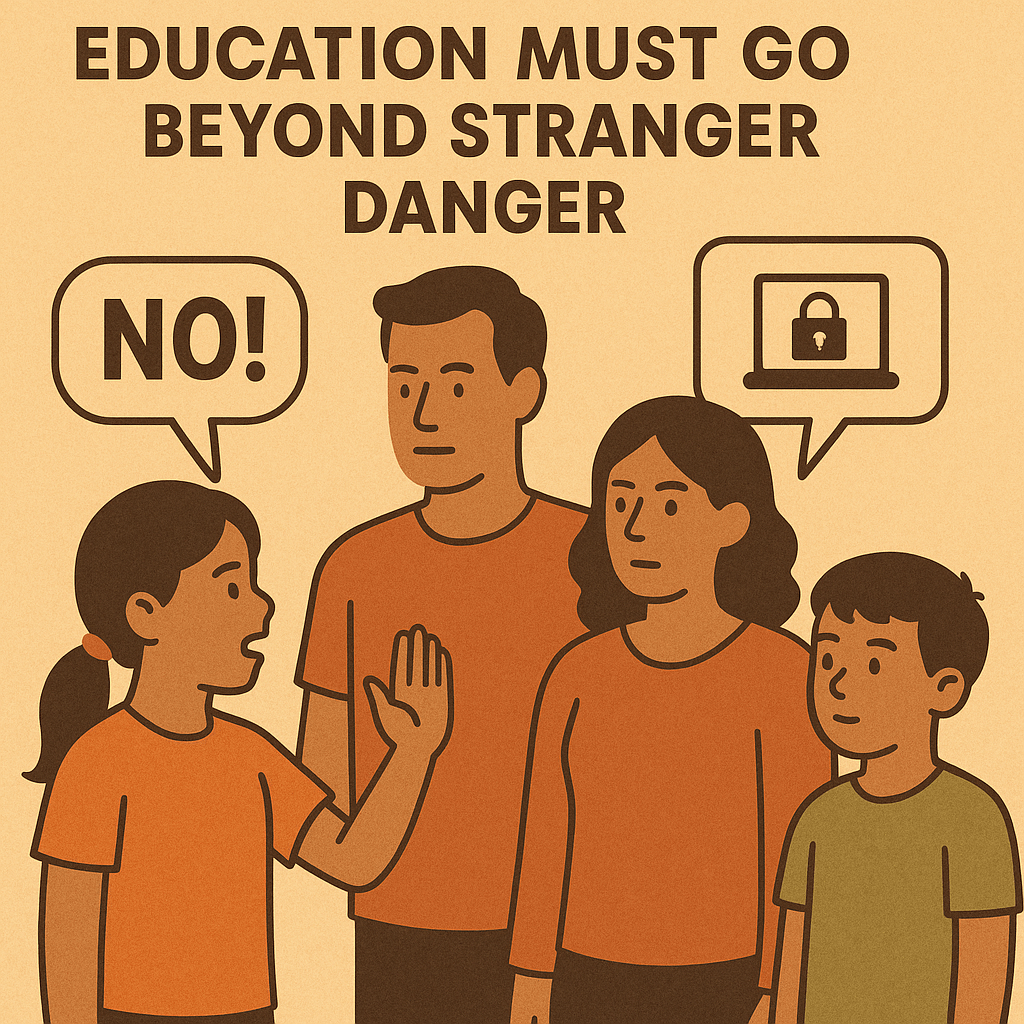
Still today, most child protection education focuses on strangers.
But as we’ve seen throughout this series, most abuse is committed by someone the child knows.
That’s why real prevention must include:
- Understanding grooming — what it is, how it feels, how it hides
- Secret culture — when someone says “don’t tell,” that’s a red flag
- Online safety — not just screen limits, but emotional awareness
- Gender-neutral warnings — boys are targets too, and girls can be offenders
- Body autonomy — children have a right to say no, even to hugs
We must stop preparing children for rare scenarios while leaving them vulnerable to common ones.
Adults Need to Be Educated Too

It’s not children’s job to prevent abuse, it’s ours.
But too many adults:
- Miss the red flags
- Excuse inappropriate behaviour
- Doubt disclosures because of who the accused is
- Struggle with their own unhealed trauma
That’s why adult education is just as essential as child education.
Every parent, teacher, carer, coach, and youth worker should understand:
- How abuse presents in behaviour, not just words
- How to respond supportively to a disclosure
- That grooming doesn’t look “evil” — it looks charming
- That reacting calmly is key to keeping a child talking
- That early intervention can stop cycles before they grow
Believing Is Prevention
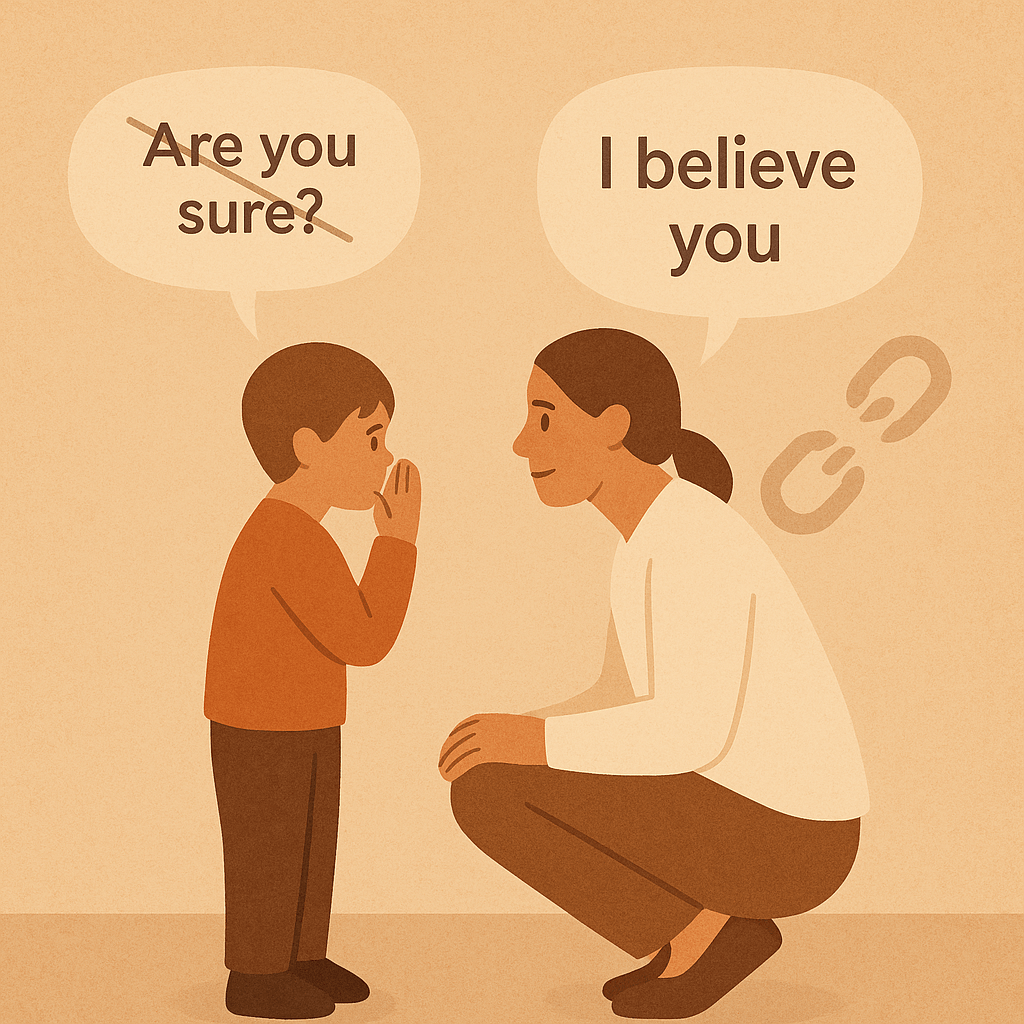
Too often, children drop hints and we miss them.
Or they say something outright and we question it.
“Are you sure?”
“Don’t say things like that.”
“That doesn’t sound like them.”
“Maybe you misunderstood.”
But belief is the most powerful protective tool we have.
Because when a child sees that adults take them seriously, they’re more likely to speak.
And when children speak early, abusers lose power.
Systems Need to Change Too
It’s not just personal prevention, it’s systemic.
That means:
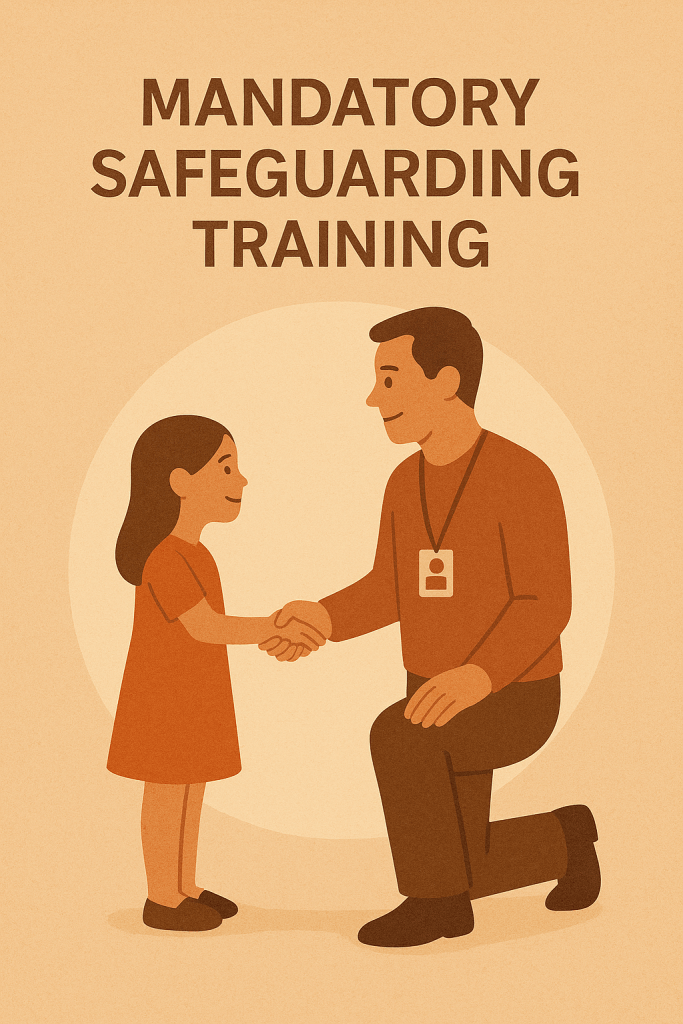
- Mandatory safeguarding training in all schools and youth spaces
- Easier reporting systems that protect children, not reputations
- Multi-agency responses that don’t leave children waiting months for action
- Accountability within institutions when they ignore or mishandle disclosures
- Resources for survivor-parents, so trauma doesn’t echo through generations
Prevention isn’t a programme. It’s a principle.
It must live in our homes, schools, policies, and platforms.
A Culture Shift Is the Goal
We need a culture where:
- Children are believed before they’re broken
- Survivors are heard without shame
- Offenders are stopped without delay
- Prevention is constant, not reactive
- Silence isn’t normal — and secrets don’t win
That culture doesn’t start with governments.
It starts with us.
Every home. Every conversation. Every choice to speak, even when it’s hard.
This series began with a truth:
We say we want to protect children — but we still avoid the conversations that matter most.
Now, there’s no excuse. We know better. We’ve seen the patterns.
It’s time to act before harm, not just after.
Because real prevention?
It’s not the badge.
It’s not the panic.
It’s not the policy paper on the shelf.
It’s the courage to name what we were taught to avoid and the choice to protect, even when it’s messy.
Children are watching.
Let’s show them we mean it.
This is Part 8 and the final chapter of the ‘What We’re Still Not Talking About’ series.

 The Grooming Files
Leave a comment