
© By Sophie Lewis | The Grooming Files | @sophielewiseditorial

A deep dive into one of the most silenced and misunderstood forms of child sexual abuse.
Nobody Wants to Talk About This One
Out of all the forms of child sexual abuse, this is the one that gets avoided the most:
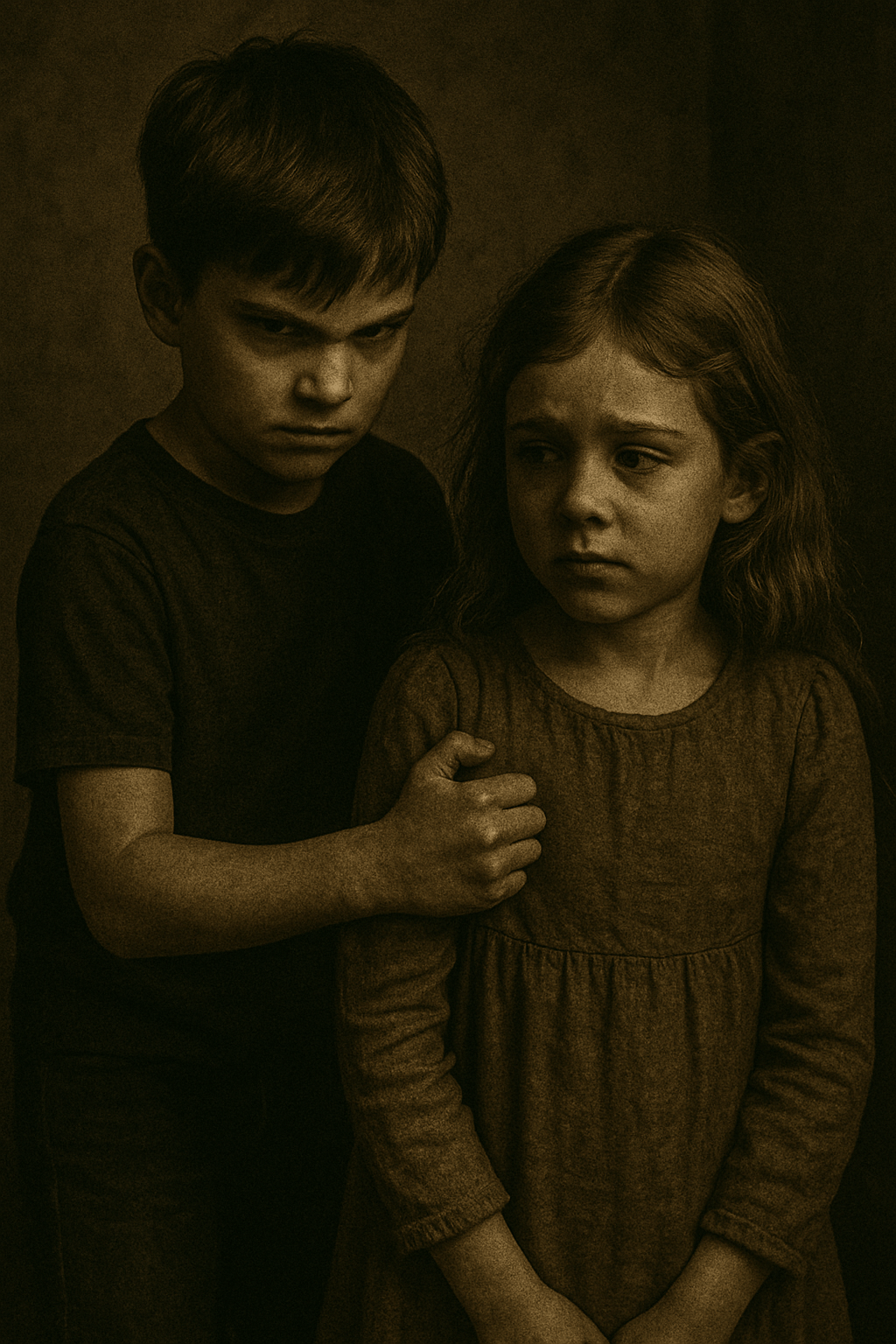
When the abuser is another child.
When it happens between siblings.
When the family doesn’t know how to respond — or doesn’t want to believe it.
It’s messy. It’s complicated.
And it doesn’t fit the “abuser vs victim” image that society prefers.
But it’s real. And it’s more common than anyone wants to admit.
Peer-on-Peer Abuse Is Not “Curiosity”
Let’s be clear: there is a world of difference between innocent curiosity and sexual abuse.
Exploring boundaries is part of development.
But crossing them — with coercion, force, manipulation, or shame — is not.
And it happens more than we think.
Children who harm other children sexually are often:
- Older, more physically or emotionally dominant
- Mimicking behaviours they’ve been exposed to
- Testing boundaries in unsafe or unmonitored environments
- Using control to gain a sense of power or safety
It’s not always “malicious.” Sometimes it’s born from confusion, exposure, or trauma.
But it is abuse — and it has real, lasting consequences.
Sibling Abuse: The Taboo Within the Home
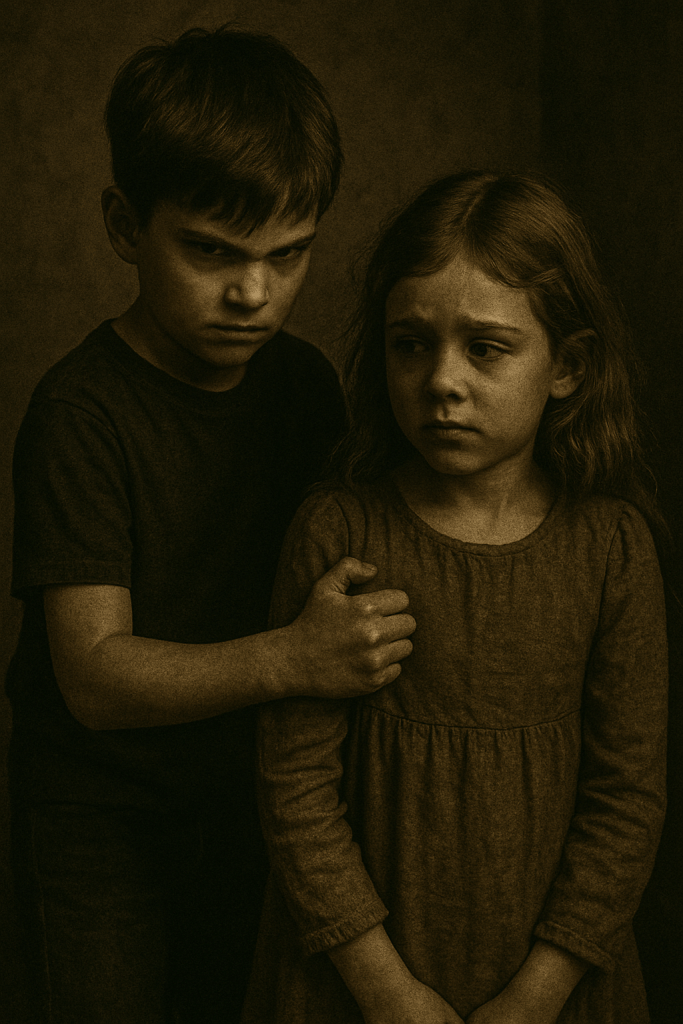
Sibling abuse is possibly the most silenced of all.
When sexual harm happens between brothers and sisters — or between step-siblings — families often:
- Deny it
- Minimise it (“they’re just kids”)
- Hide it
- Fail to support either child properly
Sometimes, the parents don’t even know how to respond.
Other times, they choose to protect the family image instead of facing the truth.
But the reality is:
- The child who was harmed may carry trauma for life
- The child who caused harm may have been harmed themselves
- Both need support — not silence
The absence of proper response allows shame, fear, and confusion to take root.
And both children can grow up haunted by what happened — and what was never addressed.
Where Are the Safeguards?
Peer-on-peer sexual abuse doesn’t just happen at home. It can occur:
- In schools
- In foster care placements
- In youth groups or institutions
- Between friends
- On sleepovers or during unsupervised play
Too often, the adults around are either unaware, unequipped, or unwilling to act.
In some cases, schools have brushed it off.
In others, social workers have struggled to respond without causing further harm.
And in too many homes, it’s never spoken of again.
The lack of protocols — or the fear of labelling a child “an abuser” — means intervention comes too late, if at all.
Children Can Cause Harm — and Still Be Children

This truth is hard to hold:
A child who harms another child sexually is still a child.
That doesn’t mean we excuse the behaviour.
But it does mean we respond with understanding, not punishment alone.
Many children who act out sexually have:
- Been abused themselves
- Been exposed to pornography too early
- Lacked boundaries and emotional safety
- Been left in chaotic or neglectful environments
This isn’t just about stopping abuse. It’s about understanding its ripple effects — and interrupting them before they spread.
The Long-Term Impact
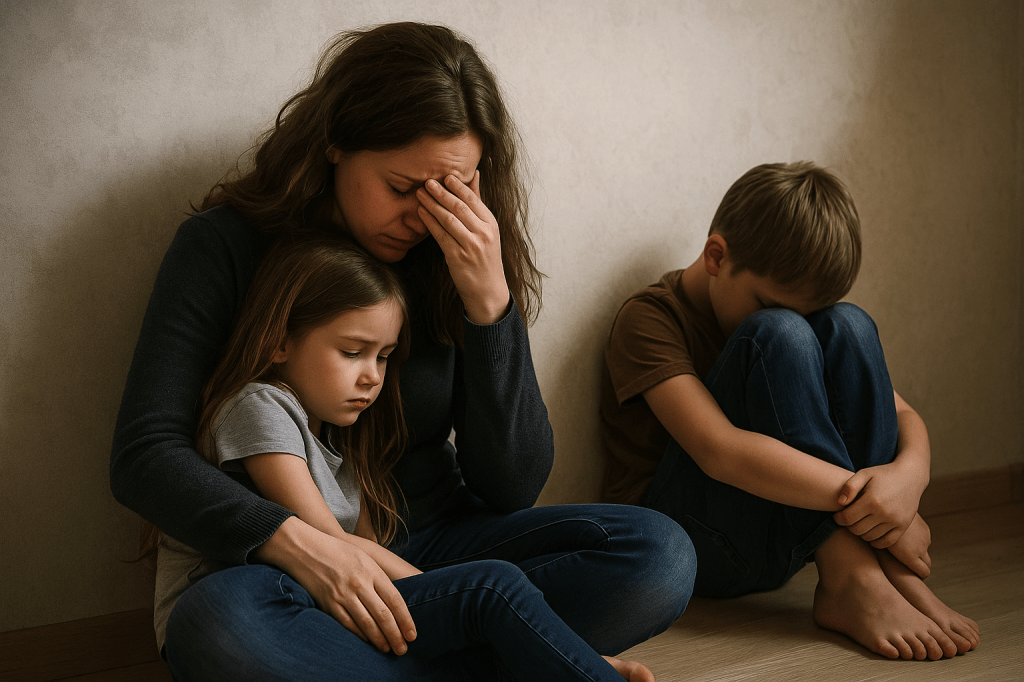
Survivors of peer or sibling abuse often feel uniquely isolated.
They may struggle with:
- Confusion about what happened (“was it really abuse?”)
- Fear of disrupting the family or being blamed
- A deep sense of shame
- Sexual dysfunction or identity issues later in life
Many don’t speak up until adulthood — and when they do, the response is often:
“But they were just a kid.”
Or worse:
“You need to let that go.”
But trauma doesn’t vanish just because the person who caused it was young.
What Prevention Really Looks Like
True prevention means early, age-appropriate conversations and safer environments for all children — especially those already vulnerable.
It means:
- Educating children on boundaries, consent, and private vs public behaviour
- Training teachers, carers, and parents to spot warning signs
- Creating space for disclosures without blame or disbelief
- Understanding that children who cause harm need intervention, not demonisation
We must build systems that respond with nuance and care — not denial and shame.
Child-on-child sexual abuse doesn’t fit our preferred narratives.
But it is real.
And it matters.
If we keep brushing it off as a phase — or avoiding it because it’s too uncomfortable — we abandon the children at the centre of it.
Some are harmed.
Some are harming.
And too many are left unheard, unsupported, and permanently affected.
It’s time we faced this one.
Because silence only lets the cycle continue.
This is Part 4 of the ‘What We’re Still Not Talking About’ series.
Read the main article here:What We’re Still Not Talking About

 The Grooming Files
Leave a comment