
© By Sophie Lewis | The Grooming Files | @sophielewiseditorial
Why society still refuses to believe that women can sexually abuse — and what it’s costing survivors.
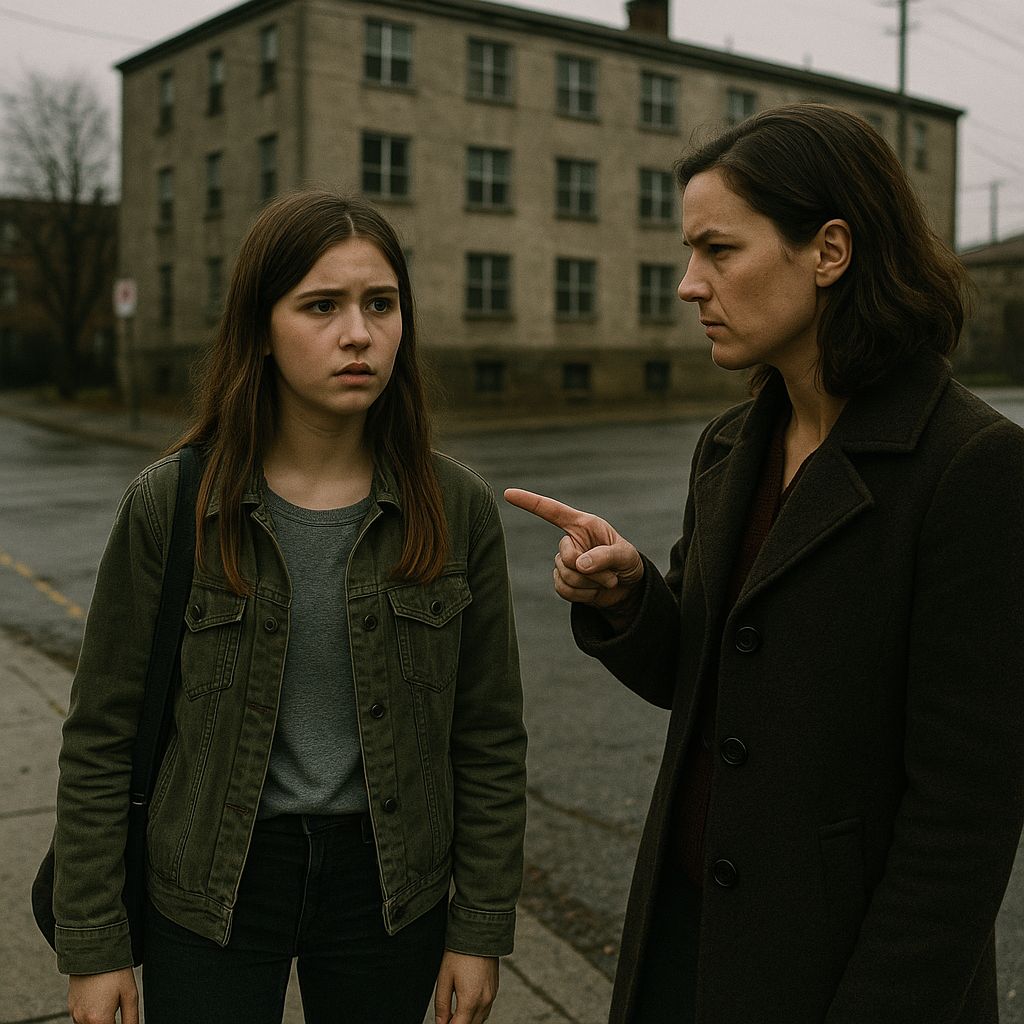
We Don’t Want to Believe It
There’s a collective discomfort when the topic of female abusers comes up.
Even among survivor communities, it’s often met with silence, confusion, or outright dismissal.
“She wouldn’t do that.”
“Mothers don’t do that.”
“He probably enjoyed it.”
“She was probably just mentally unwell.”
But the truth is simple:
Women can and do sexually abuse children.
And our refusal to talk about it is leaving survivors completely alone in their truth.
Challenging the Gender Myth
Sexual abuse is often framed as a male-on-female crime.
That’s because statistically, most offenders are male but not all.
And when women offend, the fallout is uniquely brutal.. because they’re not seen as capable of that kind of harm.
This is especially true when:
- The child is male
- The woman is a mother or carer
- The woman is attractive, respected, or in a position of trust (like a teacher or nurse)
Rather than outrage, female offenders often trigger cognitive dissonance:
People literally can’t believe it, so they don’t.
The Boy Who Wasn’t Believed
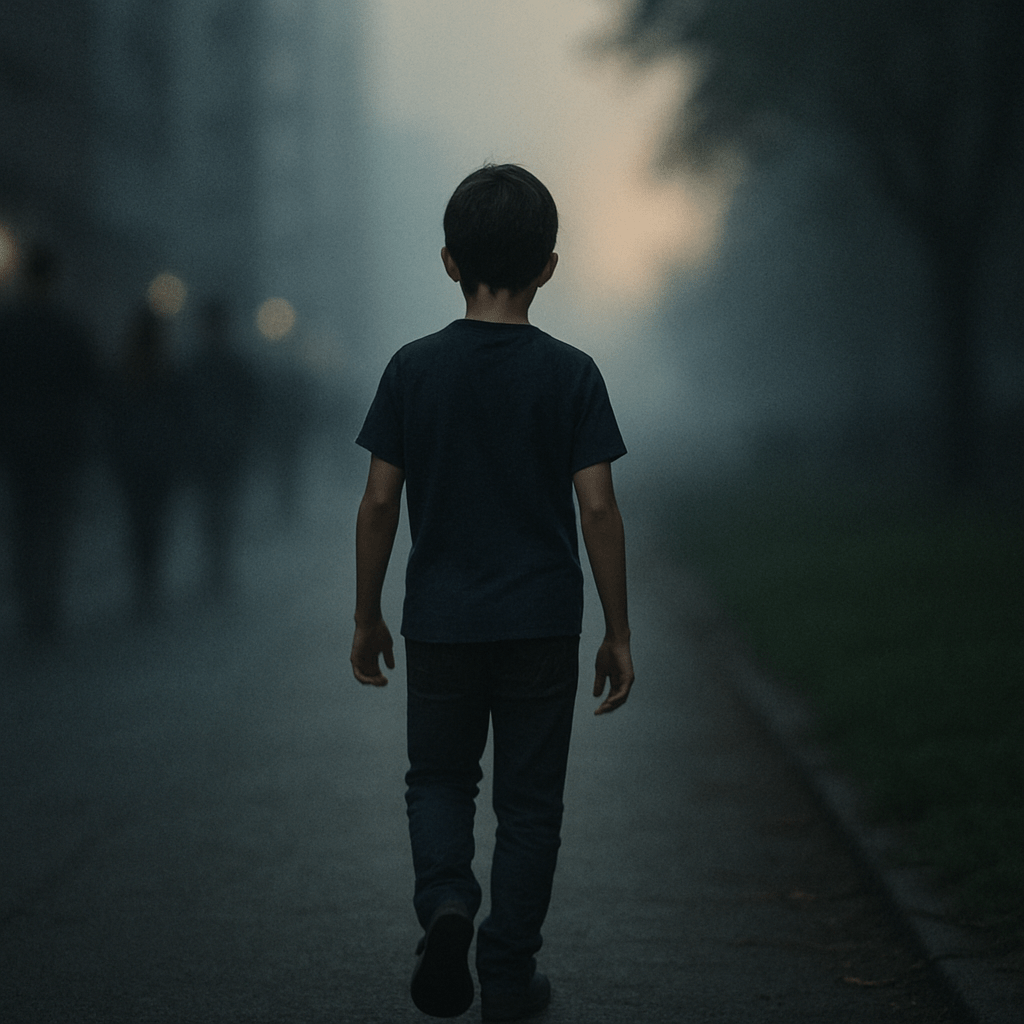
When young boys are sexually abused by women, they’re often told they should feel “lucky.”
That it’s a “rite of passage.”
That they should have wanted it.
This is not just harmful.
It’s a form of secondary abuse.
The truth is:
- Boys can be groomed, manipulated, and violated just as deeply as girls
- They may experience confusion, shame, arousal, and fear — all at once
- Many suppress their experiences until adulthood, if they speak at all
And when they do come forward, they often find there’s no script for their story.
No space where they’re taken seriously. No protection from the jokes and the disbelief.
When the Abuser Is “Mum”
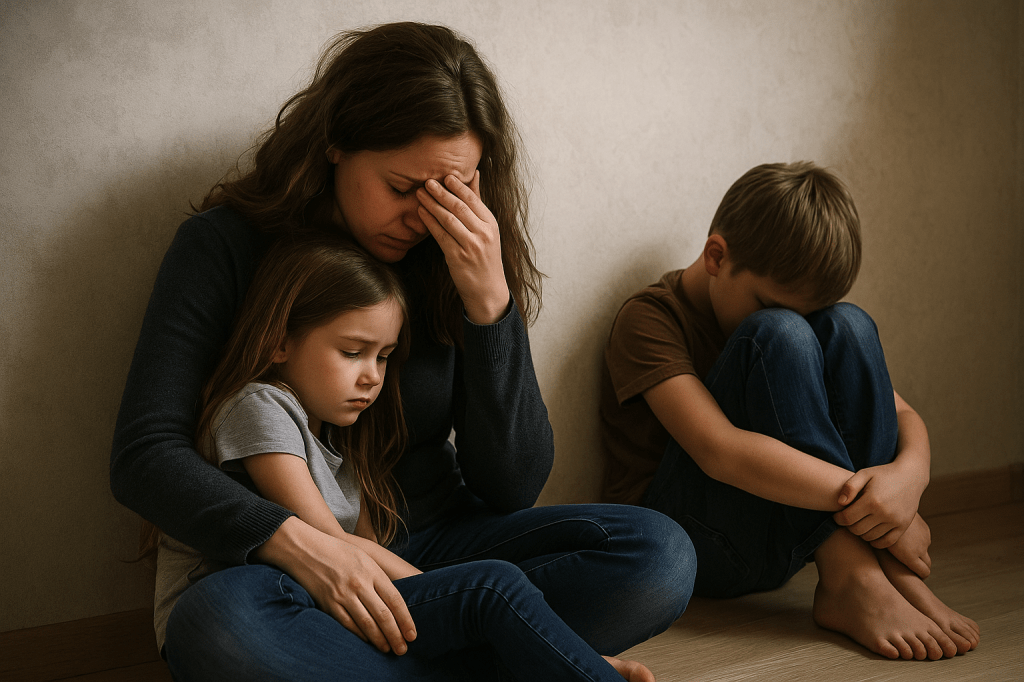
Perhaps the most taboo subject of all: maternal sexual abuse.
It goes against every cultural script we have.
The mother is meant to be a protector.
But some survivors know the pain of being violated by the very person who was supposed to keep them safe.
This is rarely talked about. Rarely researched. Rarely believed.
And for those who lived it, the silence can be worse than the abuse itself.
Institutional Blindness
The disbelief around female offenders doesn’t just happen in families, it happens across the system.
- Social workers may miss signs if the accused is a mother or female teacher
- Police officers may hesitate to take reports seriously from male victims
- Courts may hand down lighter sentences to women
- Media often romanticises cases — especially when it involves an adult female and a teenage boy
This bias doesn’t just fail victims. It emboldens offenders.
Because if society doesn’t see you as a threat, you’re much harder to stop.
Survivors Are Left Without Language

For many victims of female abusers, there’s no obvious label to reach for.
Especially when the abuse wasn’t violent, but emotional, manipulative, or disguised as affection.
How do you tell someone that the woman who raised you… also touched you?
That the teacher who encouraged you… crossed a line?
That the carer who bathed you… didn’t stop?
Without a social script to lean on, survivors of female offenders are often left believing it was their fault.
Or that it “wasn’t abuse.”
Or that it doesn’t count.
It does count. It always has. We just haven’t made enough room for it in our conversations, or our systems.
What Needs to Change
Ending the silence around female offenders means we have to do what society has failed to do for decades:
Believe survivors.
Expand our definitions.
Stop romanticising what is actually abuse.
We need:
- More education that clearly states women can be abusers
- Survivor-informed training for professionals working with children
- Media responsibility when reporting on female offenders
- Resources and peer support for male and female survivors of female abuse
- Clearer safeguarding guidelines that apply regardless of gender
The silence around female sexual abuse is not accidental.
It’s been shaped by centuries of gender stereotypes, cultural denial, and institutional blind spots.
But silence doesn’t protect anyone, it isolates survivors and shields perpetrators.
The truth is painful.
But the silence is lethal.
And it’s time we broke it.
This is Part 3 of the ‘What We’re Still Not Talking About’ series.
Read the flagship article here:What We’re Still Not Talking About 🤫

 The Grooming Files
Leave a comment