
© By Sophie Lewis | The Grooming Files | @sophielewiseditorial

A survivor-led educational breakdown of what society still avoids about child sexual abuse
We say we want to protect children, but when it comes to the hard truths, society falls silent.
We educate about “stranger danger” but not about abuse that happens at home. We highlight grooming in schools, but not online, or behind closed doors. We offer therapy after harm, but avoid conversations that might prevent it in the first place.
This article is a survivor-informed reckoning. No sugar-coating. No safe metaphors. Just truth.
Not Just Monsters

Abusers are not always creepy strangers. In fact, they rarely are.
They’re dads. Stepfathers. Mothers. Uncles. Siblings. Family friends. Coaches. Teachers. Priests.
They are people the child knows and often loves.
The public image of abusers as obvious, violent “monsters” gives everyone else an excuse to look away from the ones hiding in plain sight.
The truth? Most child sexual abuse is committed by someone in the child’s circle of trust.
Until we dismantle the monster myth, we will keep missing the ones who are already in the room.
Women Abuse Too

Female abusers are rarely discussed, let alone believed.
Society still struggles to see women as capable of sexual harm, especially when the victims are male, or when the offender is a mother, teacher, or carer.
Victims of female offenders are often told to feel lucky, confused, or ashamed. Many stay silent their entire lives.
The truth: women can and do sexually abuse children. And the longer we avoid this, the longer survivors go unseen.
Child-on-Child and Sibling Abuse
One of the most hidden forms of abuse is when it happens between children.
This is not harmless curiosity. It is often a sign that one or more of the children involved has been exposed to sexual harm themselves.
Sibling abuse is rarely reported and often dismissed by families as a “phase” or a “one-off mistake.”
The impact, however, can be lifelong.
Prevention means recognising these early warning signs, intervening supportively, and understanding that children can both be harmed and cause harm, especially when they’re left unsupported in unsafe environments.
Survivors Raising Children
Many adults who are now parents or carers grew up as victims themselves, but were never given language, safety, or support to heal.
This silence can lead to:
- Overprotection
- Underreaction
- Confusion around red flags
- Generational cycles of shame
Survivors raising children deserve resources, space, and community. Not silence, judgement, or isolation.
Supporting them is part of prevention.
“Good” Homes Aren’t Always Safe
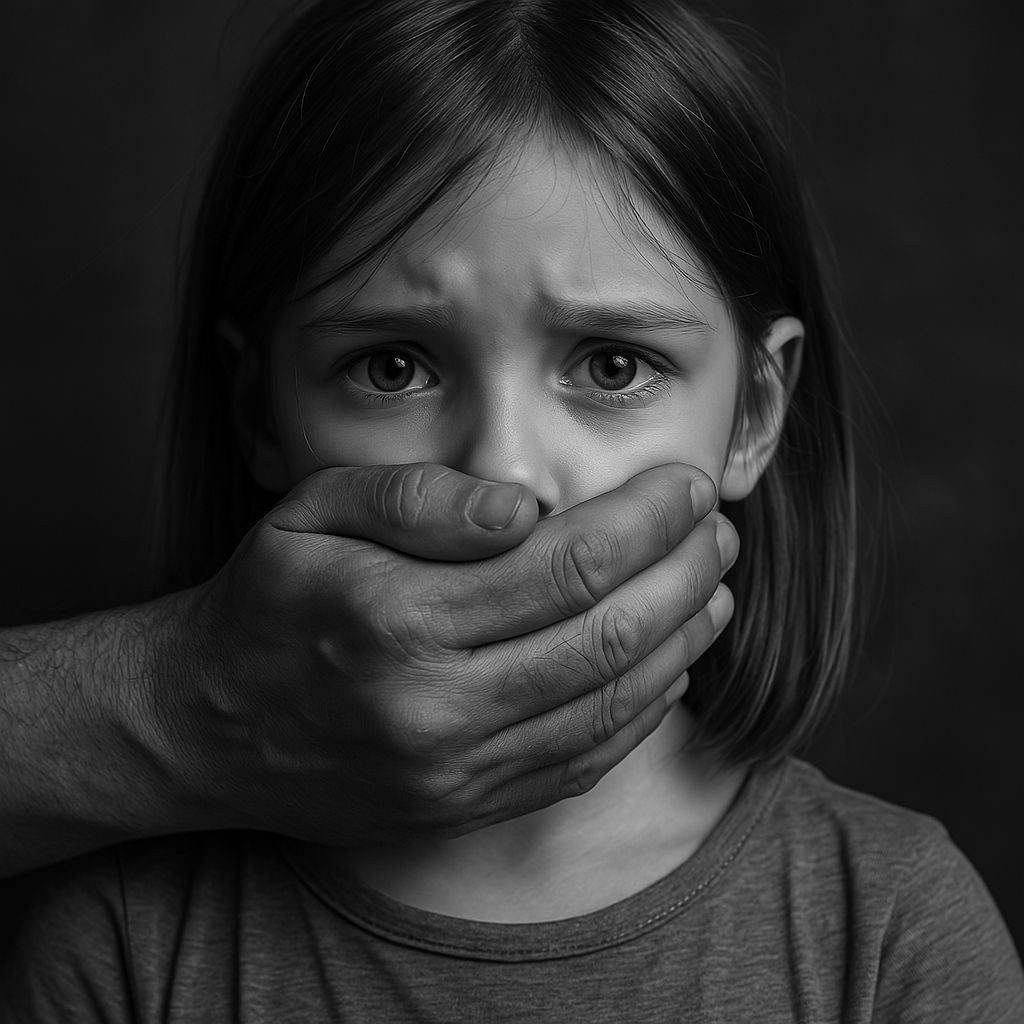
Abuse doesn’t only happen in chaotic or under-resourced families. It happens in “good homes” too:
- Clean houses
- Private schools
- Religious families
- Professional parents
These families are often shielded from suspicion because of their appearance or status.
The truth: abuse thrives wherever there is power, secrecy, and denial.
We need to stop confusing order with safety. Respectability doesn’t protect children, transparency and truth do.
The Proof Problem
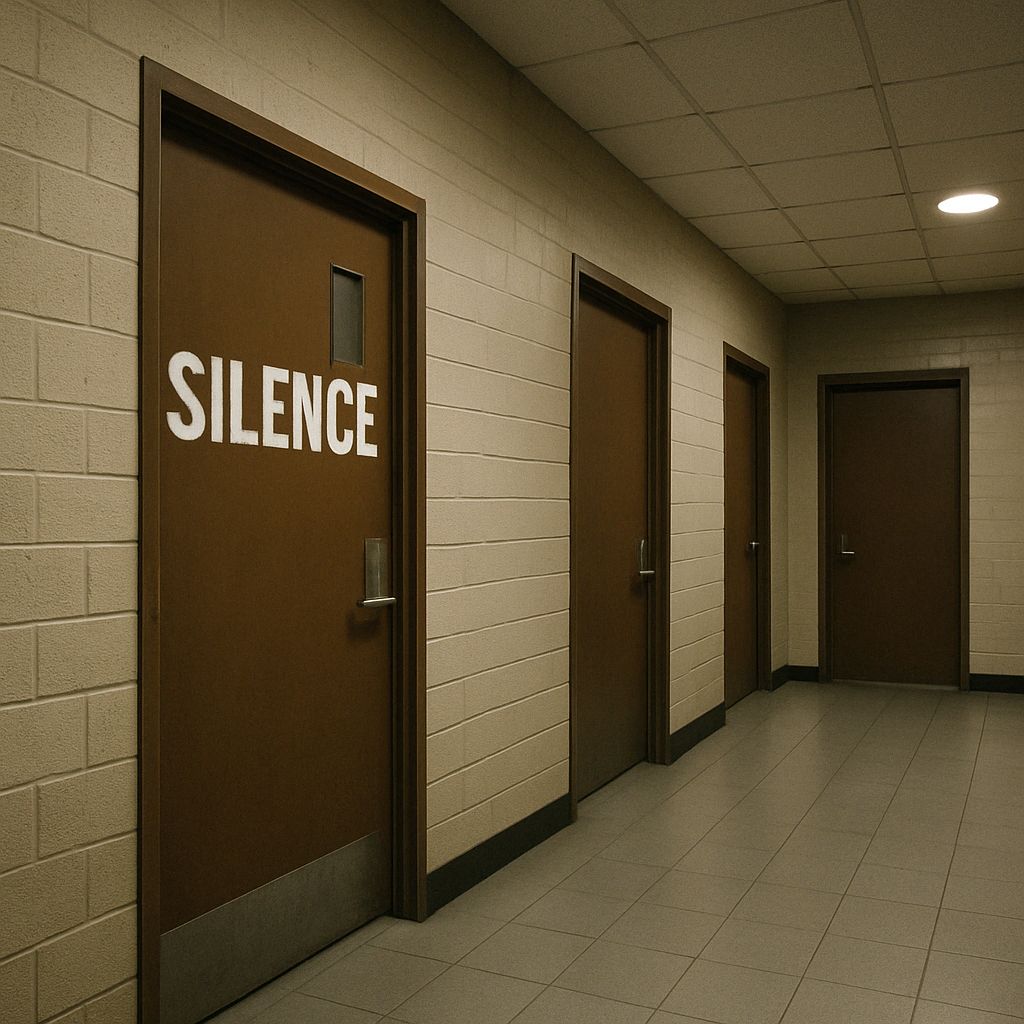
Most child sexual abuse cases never make it to court. Of those that do, few end in conviction.
Why? Because we still expect children to provide adult-level evidence:
- Consistent timelines
- Forensic detail
- Logical recounting of trauma
But trauma doesn’t speak in perfect sentences. Especially not from a child.
We must stop demanding “proof” before we protect. Listening and believing is the first step.
What Real Prevention Looks Like
Real prevention doesn’t begin after an arrest. It begins in homes, schools, and conversations that are brave enough to name what others avoid.
Prevention means:
- Age-appropriate education on body safety and consent
- Teaching children about grooming and secrets
- Spotting and responding to red flags in children’s behaviour
- Believing disclosures without demanding perfect evidence
- Creating a culture where survivors can speak and be heard
It’s not enough to be shocked when abuse is exposed. We need to be louder than the silence that allows it.
If You Want to Protect Children
Protecting children doesn’t start with background checks or catchy slogans. It starts with us.
With our courage to name abuse. With our willingness to believe survivors. With our ability to sit in discomfort and still choose to act.
If you want to protect children, start by listening to the truths we’ve all been taught to avoid.
Because what we’re not talking about? That’s where the danger still lives.
This piece is the start of a full series.
Each section will be explored in more depth over the coming articles. Because what we’re still not talking about, is where the danger still lives.

 The Grooming Files
Leave a comment