
©️ By Sophie Lewis – The Grooming Files | The Indie Leaks | @sophielewiseditorial

How delayed disclosure is still costing male survivors everything
There are stories that take decades to be told. Not because they lack urgency — but because the boy who lived them didn’t know he was allowed to speak.
In our last article, The Silent Struggle, we explored the shame and systemic silence that surround male survivors of grooming. This piece goes deeper: into the cost of that silence. Into the ripple effect of what happens when boys stay quiet until they become men.
This is the story of delayed disclosure — and why it matters more than most people realise.
He Was 11 When It Started.
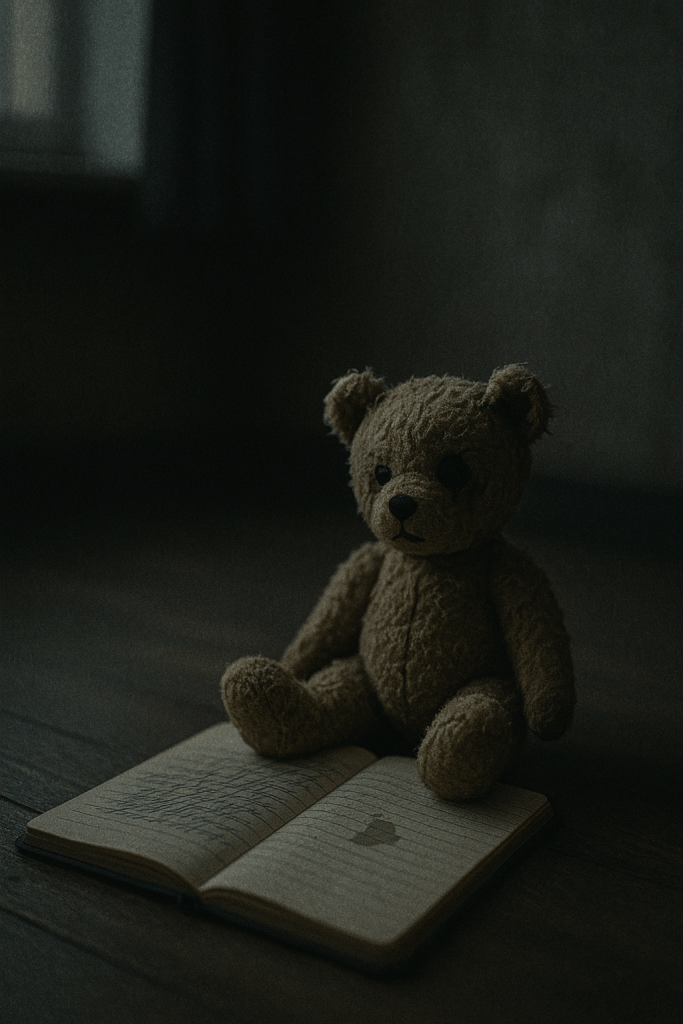
His name doesn’t matter. What matters is that he was quiet, kind, and trusted the adult who took him home from football practice. It happened more than once. Then it stopped — but nothing really stopped.
For thirty years, he never told a soul.
Because no one asked.
Because boys don’t cry.
Because he didn’t even realise it was abuse until the word “grooming” entered the headlines — long after the damage was done.
Why Didn’t He Speak Sooner?

When a boy is abused, the moment it ends is rarely the moment it stops affecting him. For many, the abuse is buried. Disguised as confusion, anger, risk-taking. Sometimes it’s sexualised, sometimes it’s shamed into silence. And sometimes, it’s reframed as something he chose.
Masculinity doesn’t make space for male vulnerability. And so the survivor builds walls instead of words.
“I didn’t know I could say anything. I thought it would make me look weak. I thought people would think I wanted it.” — A male survivor, age 41
He hinted once, as a teenager, with a joke that made his friend uncomfortable. He pulled away from a partner who touched his shoulder “the wrong way.” He went years without sleep. But disclosure didn’t come. Because nobody stayed long enough to see past the surface.
The Price of Silence
Delayed disclosure doesn’t mean the trauma disappears. It just means it hides — in the body, the brain, and the behaviours.
Psychological effects include:
- Depression and anxiety
- PTSD
- Emotional dysregulation
- Shame and self-blame
Physical consequences can include:
- Chronic illness
- Sleep disruption
- Headaches and gut problems linked to stress
Social impacts:
- Struggles forming intimate relationships
- Trouble with authority or maintaining employment
- Isolation or difficulty expressing emotions
He drank to sleep. He cheated to feel control. He shut people out before they could ask questions.
A 2023 study in the Journal of the American Academy of Psychiatry and the Law found that men who were groomed in childhood and delayed disclosure had significantly higher rates of substance misuse, suicidal ideation, and complex trauma symptoms.
The impact isn’t just internal — it follows them into every part of adult life.
The Cost to Relationships

Many male survivors enter adulthood carrying an invisible wound. Partners may feel them pulling away emotionally. They may avoid physical affection or swing between hypersexuality and shutdown. Trust becomes fragile. Communication collapses. And often, they have no words for why.
“I didn’t even know it had anything to do with what happened back then. I just thought I was broken.”
He ghosted his girlfriend the day after she told him she loved him. Not because he didn’t feel it — but because he didn’t know how to hold it.
Families are affected too. Some men become distant fathers, absent brothers, or emotionally unavailable sons — not because they don’t care, but because they’ve spent years trying to stay numb.
The Missed Signs

Disclosure doesn’t usually come as a full story. It starts with a signal. A whisper. A test.
- A joke about something that “happened once.”
- A change in behaviour around certain people or places.
- Sudden anxiety, aggression, or withdrawal.
- Fear of specific genders, ages, or authority figures.
Teachers saw him as disruptive. His GP gave him sleeping pills. A social worker marked him down as “angry and defiant.”
Nobody asked what happened before the behaviour.
Safeguarding systems often fail to see male-specific trauma responses. But these moments — these whispers — are where intervention could save years of pain.
When He Finally Speaks

He didn’t plan to say it. It came out in a routine GP appointment, somewhere between blood pressure checks and breathlessness.
“I think someone did something to me… when I was younger.”
And then he cried for two days straight.
Some men disclose in therapy. Others to their partners. Some anonymously, online. But the first time it’s said — even silently typed — is a crack in the wall. A beginning.
For some, it brings relief. For others, it triggers chaos. Both are valid. Healing is not linear.
What If He Was Heard Sooner?
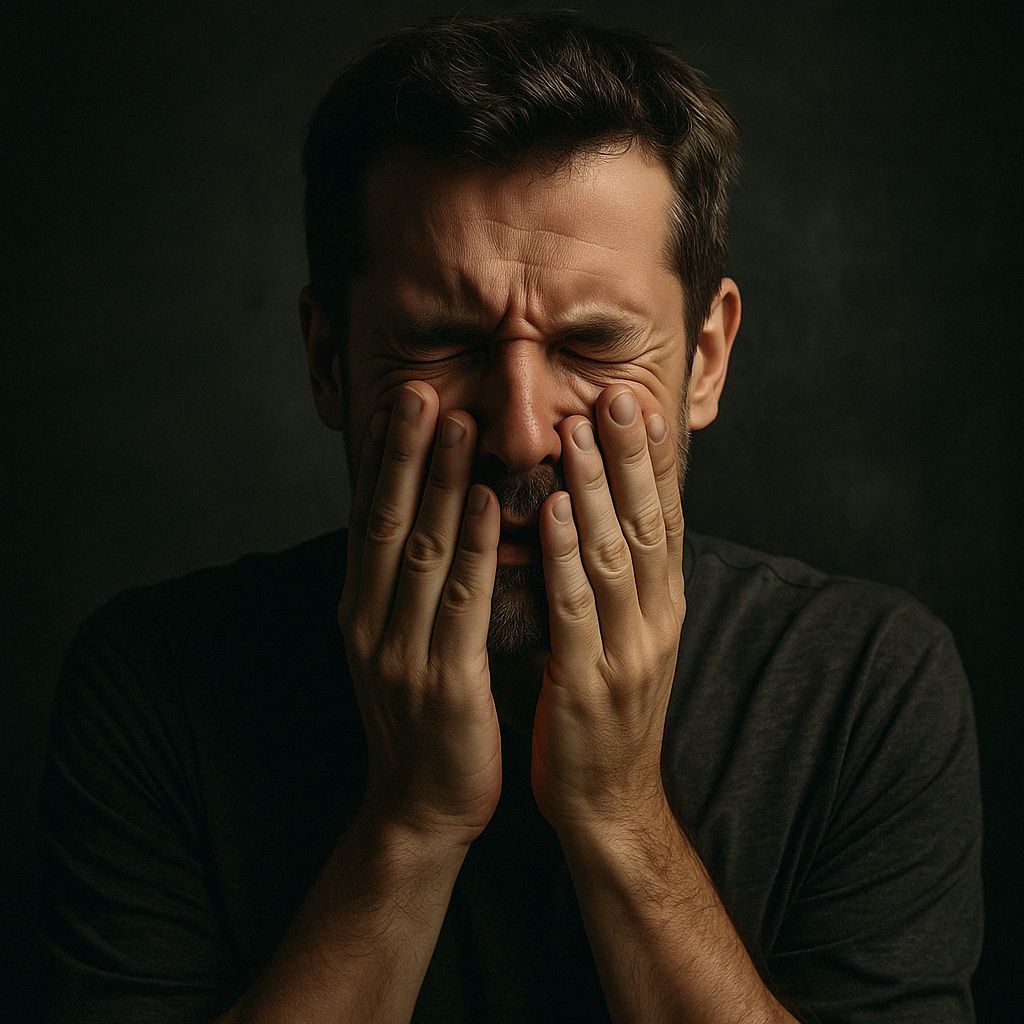
This is the question we must ask. Because every boy who is dismissed, ignored, or disbelieved becomes a man carrying trauma alone.
What if his first disclosure wasn’t minimised?
What if the systems — schools, police, doctors — responded with trauma-informed understanding?
What if media stopped calling abuse of boys “affairs” or “scandals” and named it for what it is?
These “what ifs” should be turned into what now.
Breaking the Delay: What Needs to Change
- Early education — Teach all children, regardless of gender, what grooming is and how to seek help.
- Male-focused services — Fund and promote survivor spaces that are safe for men and boys.
- Cultural change — Dismantle toxic masculinity and redefine strength as truth-telling, not silence.
- Professional training — Ensure all frontline workers are trained to recognise male trauma responses.
- Media responsibility — Challenge how male victims are represented and push back on minimising language.
To the One Still Holding It In
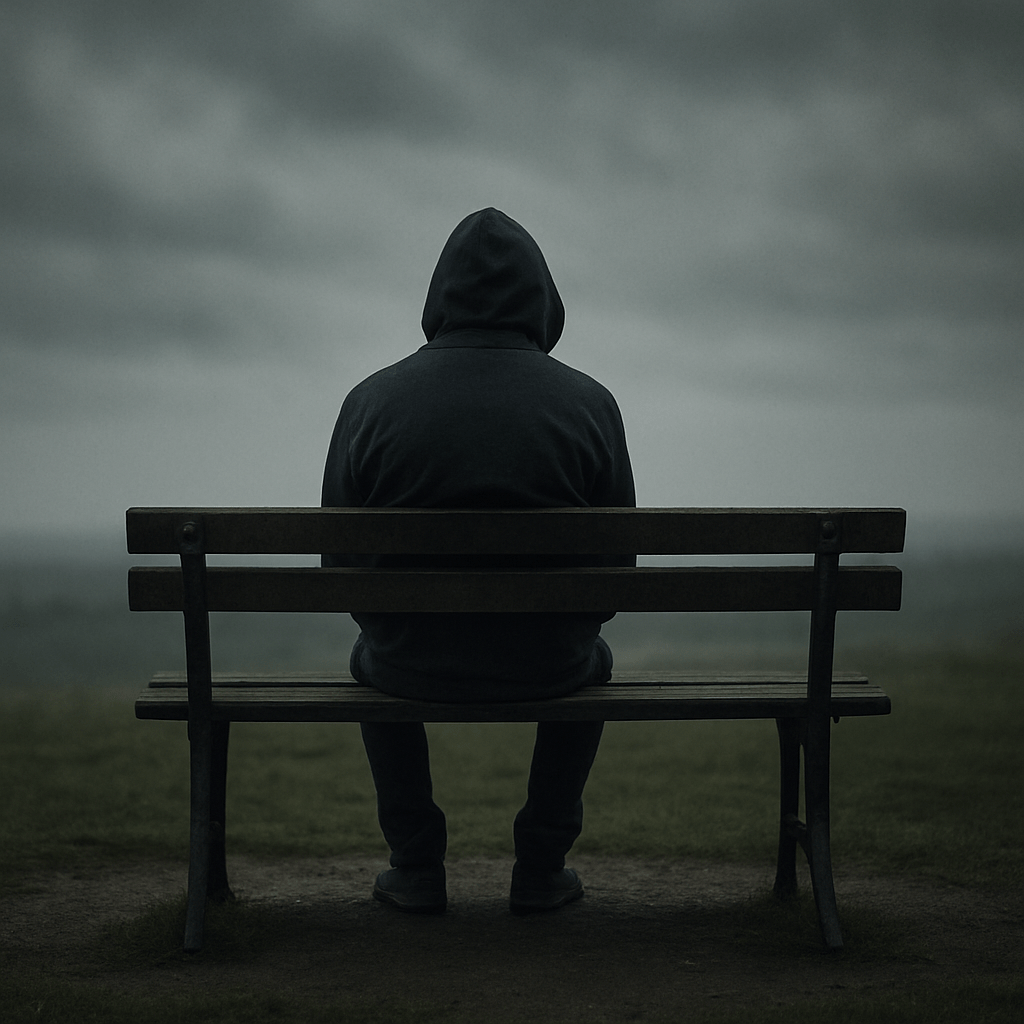
If you’re a man who never spoke — or who spoke and was shut down — know this:
You deserved protection. You deserved belief. You still do.
It’s not too late. You are not too broken. And you are not alone.
You don’t have to tell the world. You don’t have to tell your name. You just have to know: your story matters.
And when you’re ready to say it, even quietly — we’ll be here.
The Grooming Files.

 The Grooming Files
Leave a comment