
©️ By Sophie Lewis, Independent Writer
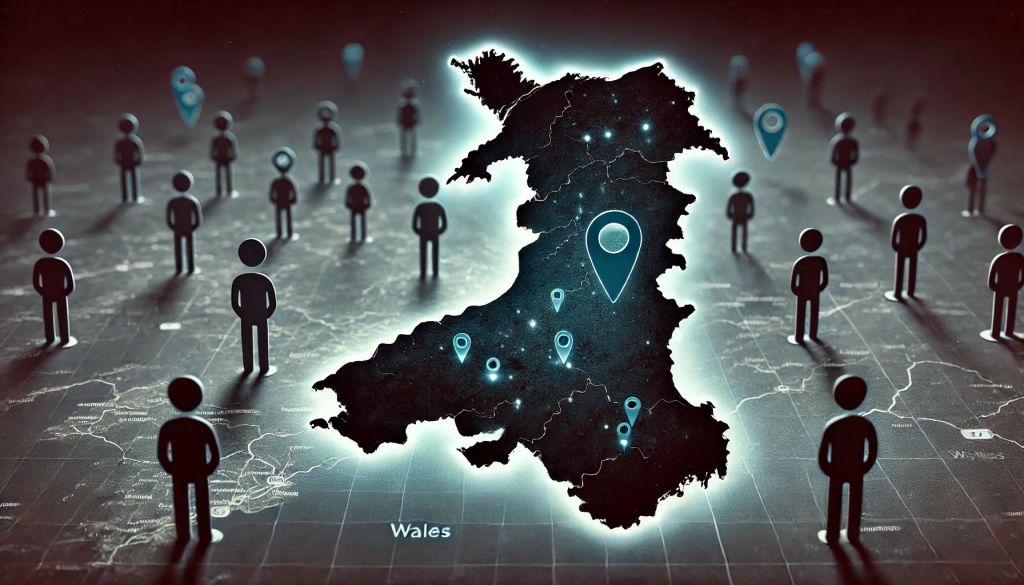
The Problem No One Talks About
In Wales, child sexual abuse (CSA) remains a deeply underreported and under-resourced issue within the justice system. While exposure teams and advocacy groups work tirelessly to bring offenders to light, the lack of a centralised, accessible database of cases and offenders leaves parents, communities, and authorities struggling to grasp the full scale of the problem.
Unlike other crime categories, CSA records are often hidden behind bureaucracy, inaccessible to the public, and poorly maintained in terms of real-time updates. In a digital age where offenders exploit technology to prey on children, why is there no comprehensive system in place to track and prevent these crimes?
The Lack of Publicly Accessible Data
One of the biggest challenges in tackling CSA in Wales is the absence of an open database where the public can access vital information about offenders, trends, and conviction rates.
🔹 No public offender map – Unlike some countries where sex offender registries are partially accessible, Wales has no public access to data about convicted predators.
🔹 No central database of CSA-related arrests or cases – The public is forced to rely on sporadic media reports or exposure teams to hear about recent cases.
🔹 Sarah’s Law has limitations – The Child Sex Offender Disclosure Scheme (Sarah’s Law) allows limited access to information, but only under strict conditions and does not provide full transparency.
Without an accessible system, parents, schools, and communities are left unaware of potential risks in their own areas.
The Police and Legal System’s Failures
Despite thousands of CSA-related crimes being recorded each year, there is no single authority responsible for tracking and reporting these cases in Wales.
📌 Rising CSA Image Crimes – Police in England and Wales are now recording over 100 child sexual abuse image crimes every day, with 38,685 incidents reported in the past year. (NSPCC)
📌 Registered Sex Offenders – As of March 2024, there were 70,052 registered sex offenders in England and Wales—a 3% increase from the previous year. (Yahoo News UK)
📌 Teenage Offenders – Over half of CSA cases in the UK involve teenagers, with 14 being the most common age of reported offenders. (ITV News)
The real question remains: How many offenders are slipping through the cracks? How many children are unprotected due to the lack of open data sharing by law enforcement?
Why Are Exposure Teams Filling the Gap?
The failures of law enforcement and lack of accessible databases have led to the rise of independent exposure teams. These groups fill the gaps, tracking online predators, exposing offenders, and pushing for accountability.
🚨 Proactive Investigations – Exposure Teams often catch predators before police even begin investigations.
🚨 Public Awareness – Exposure teams share case updates publicly, ensuring that communities know about local offenders before they can reoffend.
🚨 Forcing Action – Without these teams, many predators would go unchecked, as police often delay action until overwhelming public pressure forces their hand.
However, exposure teams are not a replacement for a functioning justice system. The fact that volunteer groups are doing this work should be a wake-up call to how broken the system is.
What Needs to Change?
To properly combat CSA, Wales must implement urgent reforms:
✔ A centralised, publicly accessible CSA case database – Wales needs real-time data on investigations, arrests, and convictions to track trends and prevent repeat offending.
✔ Stronger digital tracking of online predators – Many grooming cases happen entirely online, yet police cybercrime resources remain limited.
✔ More transparency in police data sharing – Parents and communities deserve access to critical safety information rather than relying on exposure teams.
✔ Better resources for CSA survivors – Many survivors in Wales struggle to access legal support, mental health care, and protection from their abusers.
The Cost of Silence
Wales has a serious and urgent problem when it comes to CSA tracking and offender accountability. While exposure teams continue to fill the gaps, the reality is this should not be their job.
Until law enforcement and government agencies prioritise full transparency, create an accessible offender database, and improve CSA case tracking, children in Wales will remain at risk.
Silence allows predators to operate unchecked. It’s time to demand change.
Resources & Reporting CSA in Wales
If you suspect CSA or need support, contact the following organisations:
📌 NSPCC: 0808 800 5000 | www.nspcc.org.uk
📌 NAPAC (Adult Survivors of CSA): 0808 801 0331 | www.napac.org.uk
📌 Childline (Under 18s): 0800 1111 | www.childline.org.uk
📌 CEOP (Online CSA Reporting): www.ceop.police.uk

 The Grooming Files
Leave a comment